A new design: working it all out

I’ve created more designs than I can remember since I began ‘formal’ pattern making back in 1992. Some aren’t worth worrying about, some I’m still extremely proud of and some are still waiting for the right time to make their debut… (I can’t wait to show you some very special ones next year but I’m sworn to secrecy.)

Some designs work themselves out for themselves; I vividly remember shutting my eyes to get some sleep right in the middle of my final major project on my degree, when suddenly my mind spun in to action, and there in my mind was a design, colour separated and waiting to be drawn out for screen the very next day. Other designs I battle for days on, and eventually win through demonstrating more stubbornness than the design itself.  I don’t give up easily.

In all my designing, however hard or easy it was in the making, I aim for them to appear strikingly straightforward, as if they did just happen on their own. I was accused by a tutor for being lazy – he didn’t understand minimalism – when in actual fact, it’s far harder to let the negative space be as important as the motifs we can sometimes throw at a design like pennies to a pond. Space can be beautiful.

I’ve taken a slightly different direction to making the most recent patterns; some would argue they are more traditional, more formal, more fussy even. I’ve certainly battled with the minutiae. I thought it nice to share the journey a little, but do bear in mind, every dot, line AND space have been considered, reconfigured, tested, discussed and revised more times than I’m counting (and that’s before I even think about colour). I hope you like the results. The design will feature in my new work to launch at TentLondon in September, so watch this space.

KF_workings_1000web

The image shows: initial sketch / proportions of the motif, repeat / rhythm testing of the drawing before the lino block is cut, the lino block being printed, and the final digital artwork. The inspiration is a mix of kitchen gardens and formal gardens of the National Trust.
 

Pattern design, outdoors and in…

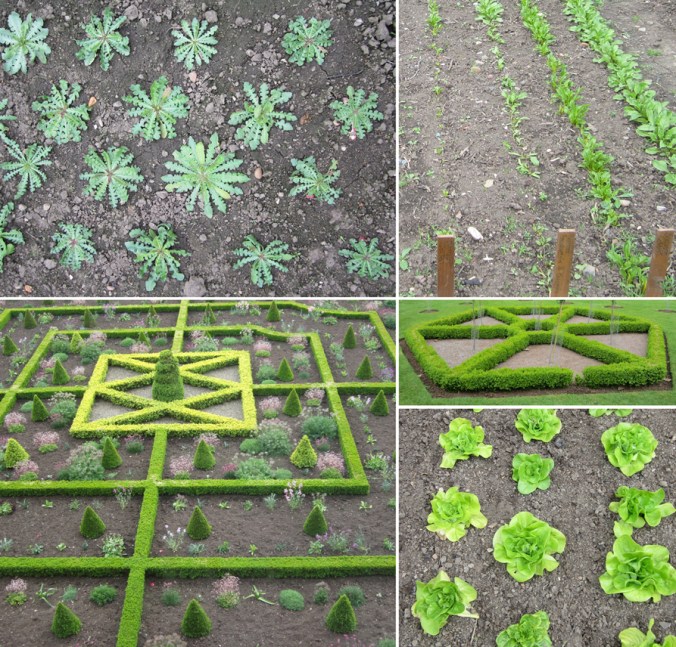
If you are a regular reader of this blog you will already know that for the last few years my personal design practice has been inspired by garden design, and most specifically allotments and kitchen gardens in my ‘Plot to Plate‘ collection, launched in 2012. I have spent many hours walking, almost patrolling, up and down rows of National Trust cabbages and onions, armed with my sketchbook, annotating the patterns, translating them to motifs, documenting the small irregularities, the planting plans, the labeling – fruit and vegetables up and down the country, as well as our allotment, plot 8 in Birmingham. Upton, Packwood, Baddesley Clinton, Blickling, Felbrigg, to name a few National Trust gardens I have surveyed and taken inspiration from. Hanbury is my current favourite garden and I have been working on a number of patterns inspired by this property that will one day be complete, to launch at Tent London this September.

It is with this in mind that I write my thoughts. There are so many similarities between garden design and textile design they seem perfect companions in my practice. Long before Mr W. Morris picked up a pencil the natural world of flora has been a dominant subject of inspiration for pattern in the home. Rather than the bouquets and sprigs, posies and trellis it is the formal gardens, the parterres and kitchen gardens that hold the structure and compositional language that we textile designers and design educators regularly refer to…

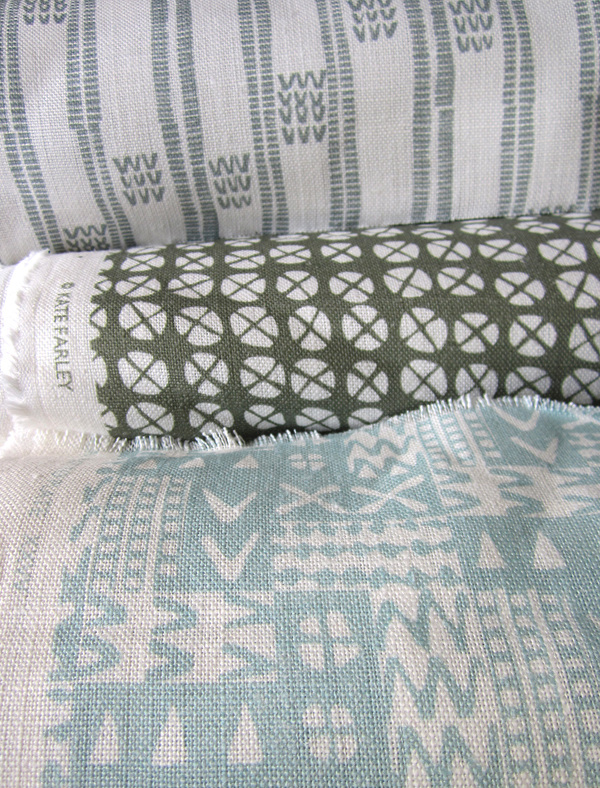
Stripes, spot repeats, all-overs and multi-directionals, geometric grids and diamonds, checks and plaids are all to see. And so it is, that it makes sense that I really have brought two things that I do enjoy together in my creative practice. It’s too early to share artwork for my new ‘Hanbury’ designs but I will share some garden pattern from Hanbury, and my ‘new’ fabrics by the metre, available very soon, in anticipation…

garden_textiles_hanbury_web  fabricrolls1_web

Colours for the arrival of BST

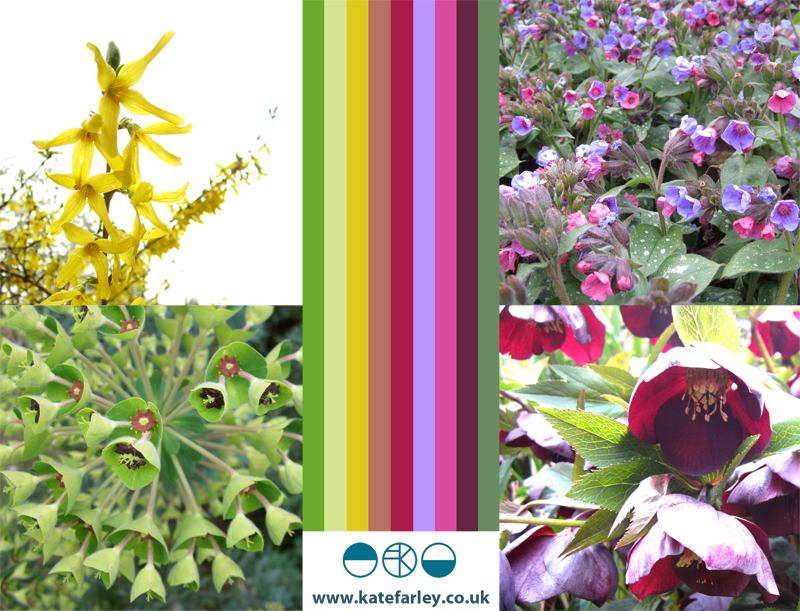
Today we welcome British Summer Time and the weather has been kind. The colours of spring always seem so purposeful after the winter months, with pink trees and purple or yellow blankets of flowers spread across the parks. At the allotment the grass is rearing its greens, and yet the purple sprouting broccoli let us down. Today I celebrate the colours of our garden, noticing the yellows and purples as predominate hues.

Image

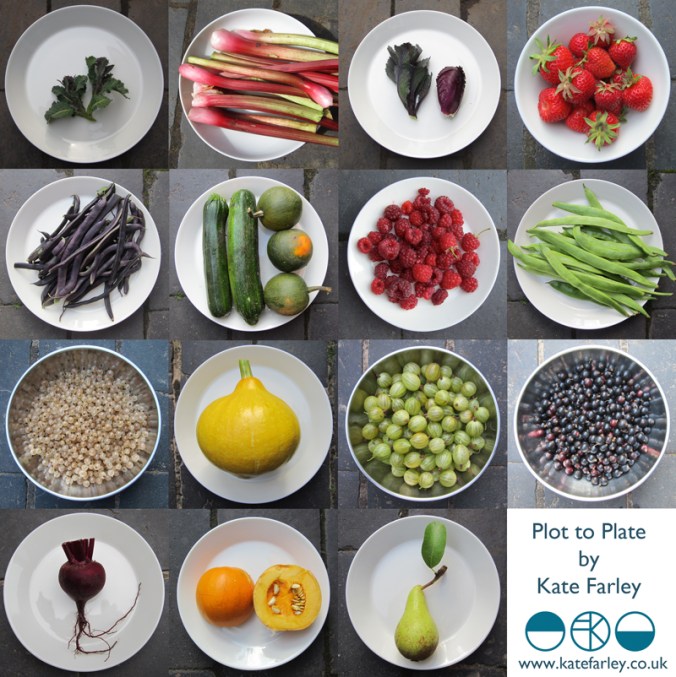
the true Plot to Plate harvest of 2013

Today I picked the final handful of beans, harvested the last of the squash in case we are surprised by a frost, and noted the pace had slowed on the rain-battered raspberries. We still have courgettes and the last row or two of potatoes, plenty of beetroot, celery… and parsnips – and for those we wait for positive news of the frost before they accompany our Sunday roasts.

I’ve often returned home from the plot to capture in photographs the success of the allotment on our plates and bowls, capturing the beauty of shape and colour of our fruit and veg. Today I thought it appropriate to put together the photos as the harvest comes to a close. I realise its incomplete; no sweetcorn, no cucumbers, no carrots or peas no blackberries or swede. No disrespect – some were a success, some disappointing – but there’s always next year to make amends.

I have to thank this lot for providing me with constant inspiration for my design collection of the same name – and this really is an example of Plot to Plate.

plottoplate_2013

Good feelings at the allotments

Taking care of an allotment plot is never about saving money on food – and Birmingham Council have ensured it could never be, given the huge plot rent increases. Tending a plot gives so much more than the crops that you harvest. Here’s a few good reasons:

  • Growing your own food provides the gardener with opportunities and excuses to go outside and realise that what looked like a grey, cold winter day is actually rather nice.
  • Digging provides an opportunity for head space, for time to mull things over, while also focusing on the amazing tenacity of bindweed and couch grass that really ought to be put to a constructive use rather than taking up all my time!
  • Making good use of time growing food makes you wonder why other people would want to spend each weekend wandering around indoor shopping centres, missing out on the feeling of muddy fingernails despite the gardening gloves and the sight of the first strawberry beginning to blush.
  • The satisfaction felt from a harvest that provides all the food for your family meal takes a lot of beating
  • and in addition to all this, I can thank the plot for the inspiration in my ‘Plot to Plate‘ design collection too.

Its a really good feeling when the crops are bountiful. The hard work of winter has paid off, the patience with the frosts and the protection from the birds has worked out okay and you get great stuff to eat for the commitment you give. With a fully laden bike and a handful of sweet peas to grasp on the handle bars you head home like a hunter gatherer from a previous age.

The thing is, when all goes well its an amazing feeling to be able to pass on the surplus to others who will also enjoy the success. Some years at the site we all have gluts of the same thing, other years we wonder what we did wrong when others are almost complaining about too many onions, and nothing has come of ours. It’s a great thing that there is never resentment to another successful gardener, but pleasure in their success. We share tips and ideas, timings and tools as well as the odd cast-off seedling and you’d be a fool to pass on the offer of parsnip seeds from Tony!

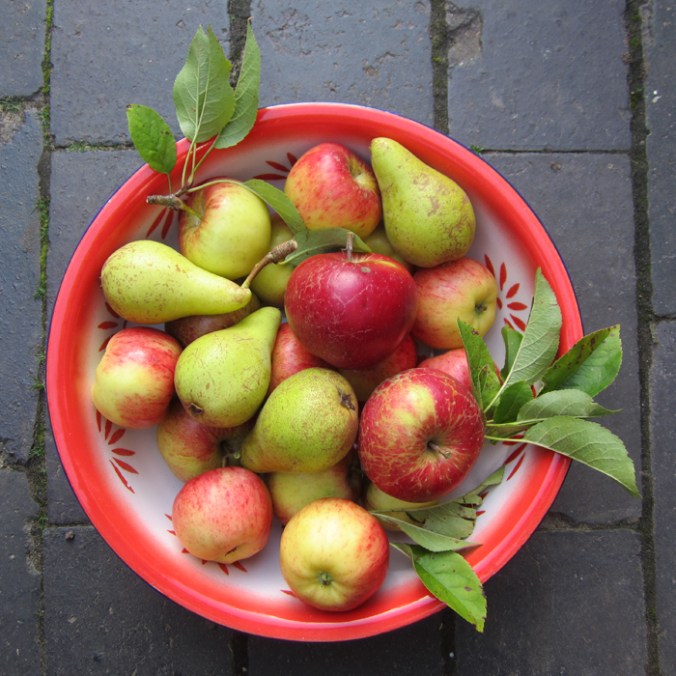
When a fellow plot-holder offered me her excess apples and pears today I politely declined at first, thinking that she would find something else to turn them in to, another apple tart, another crumble – really! too many apples? We have had a poor year in that regard. But there is a great sense of pleasure in offering ‘help’ in accepting the produce. We really are the winners in this hand-me down act, but it also feels as if we are doing a great favour in accepting the gift of free, home-grown food, enabling the grower to experience their own sense of generosity, good-spirit and community mindfulness, and saving them the feeling of not letting down the very fruit that served them so well this year – not bad for a bag of apples and pears – thanks!

applespearsbowl_web


the CURRANT project – black and white

Harvest is such a great time for gardeners and at this time of year we have fruit and vegetables making up for the muddy digging in the winter and months of patience paying off.

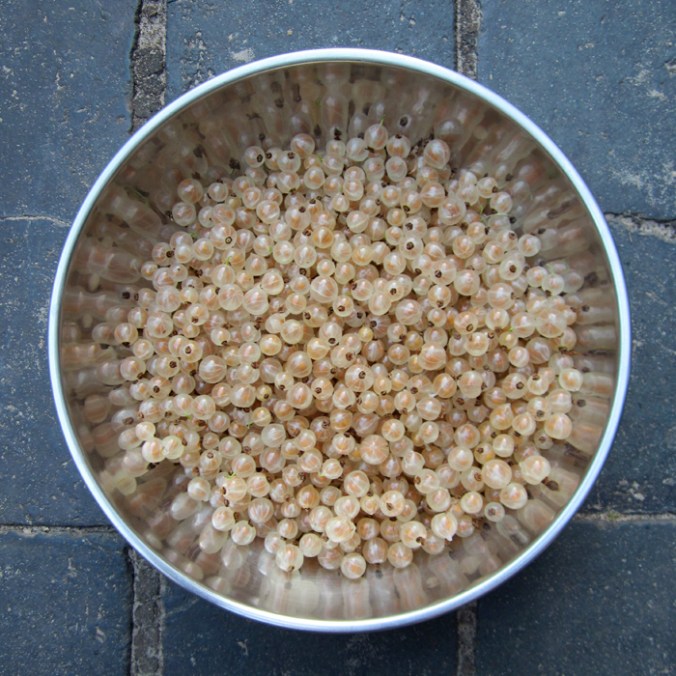
In the first few years after these currant bushes were planted on our plot I had to commit myself to the practice of hand-squashing the caterpillars of the sawfly as they crawled and ate their way across the leaves, stripping the plants bare as they left their homes in the earth below to climb up the bushes. I ticked the box of organic, even if it wasn’t particularly vegetarian of me, but now we have stronger plants that can provide us with ingredients for Summer Pudding – and that’s not bad!

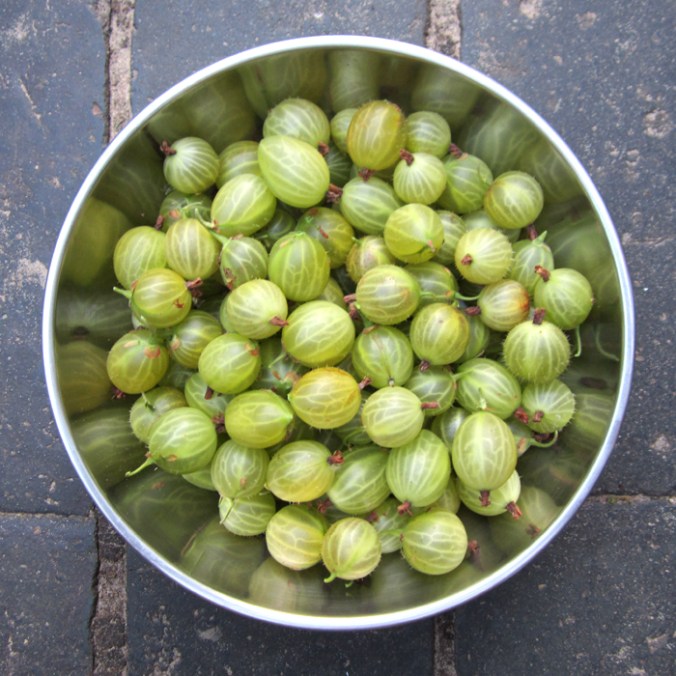
blackcurrants_webwhitecurrants_webgooseberries_web

July colours in the garden

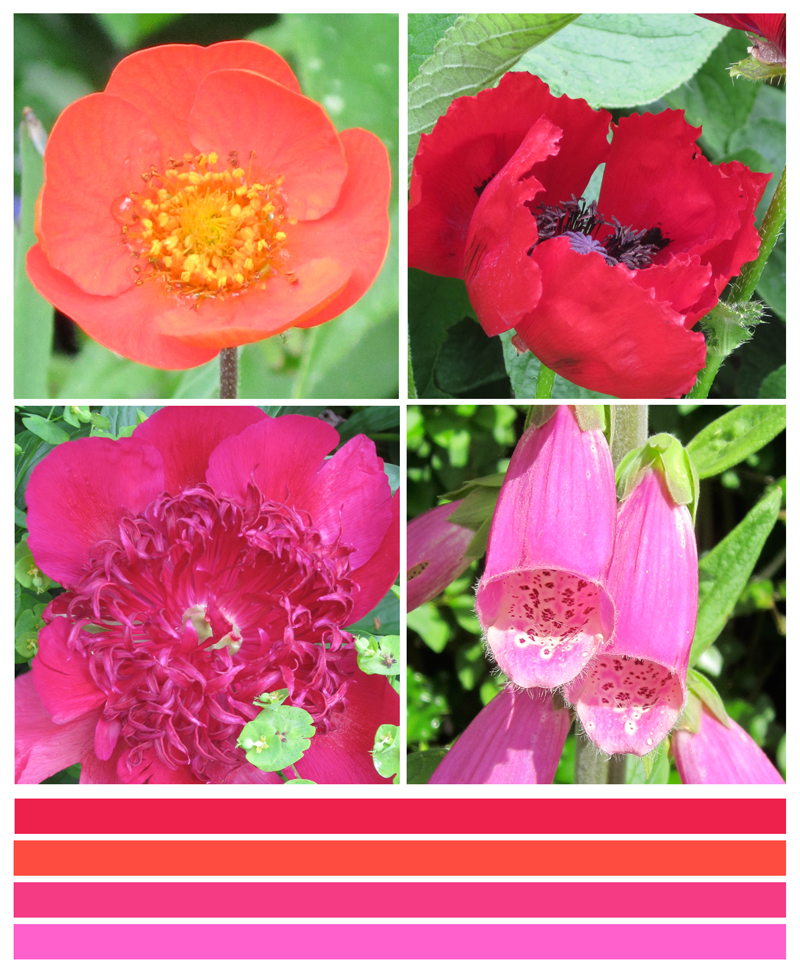
Following on from the last few months of colour charts that I have created documenting colours growing in the garden I have made a July 13 one too. The weather has been hot and dry but somehow the slugs have enjoyed the marigolds so there is a lack of orange in this colour palette this year. The Foxgloves are pretty much over but the Hollyhocks and Dahlias are stunning in their part of the garden relay race through the summer schedule.

july13gardencolours_web

Garden flower colour calendar 2013

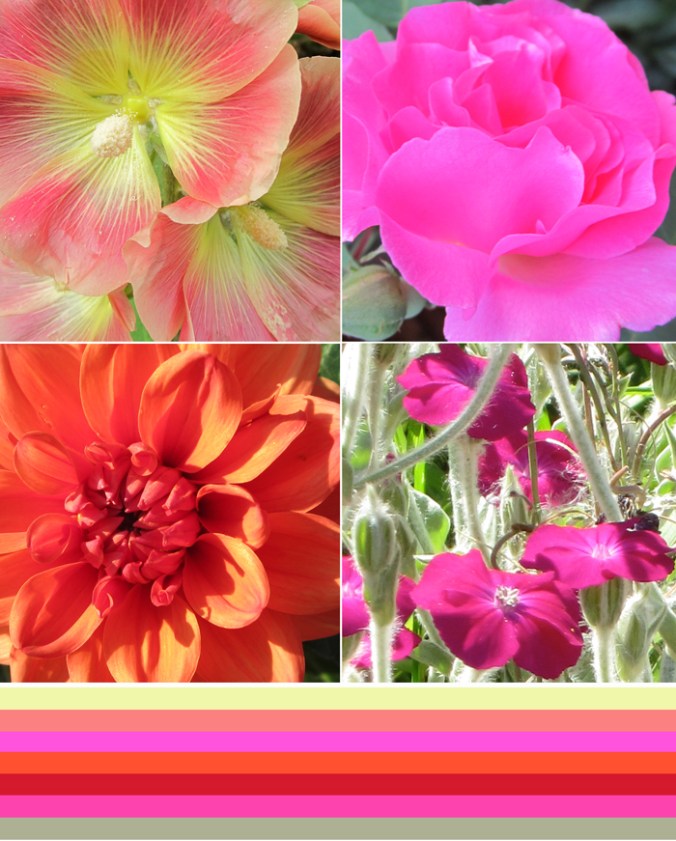
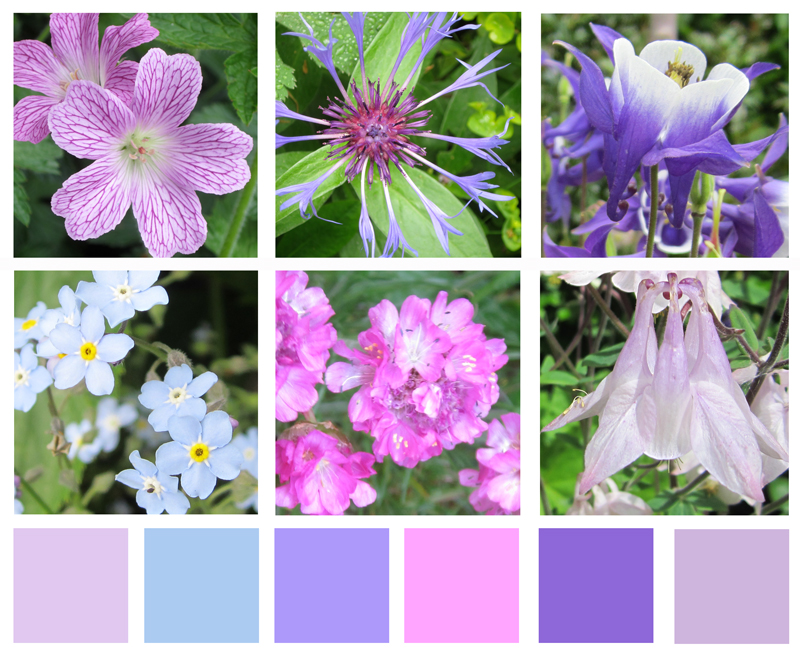
I posted a ‘yellow’ set of photographs of flowers from our garden for the month of April a few weeks ago and have since noticed quite a change of colour in the garden over the weeks. I have created a May (pinks and purples) and June (reds, orange and magenta) record of flowers too. With such gloomy weather recently its worth noting that some refer to June as ‘flaming June’ – not my thoughts in this particular June 2013!

ImageImage

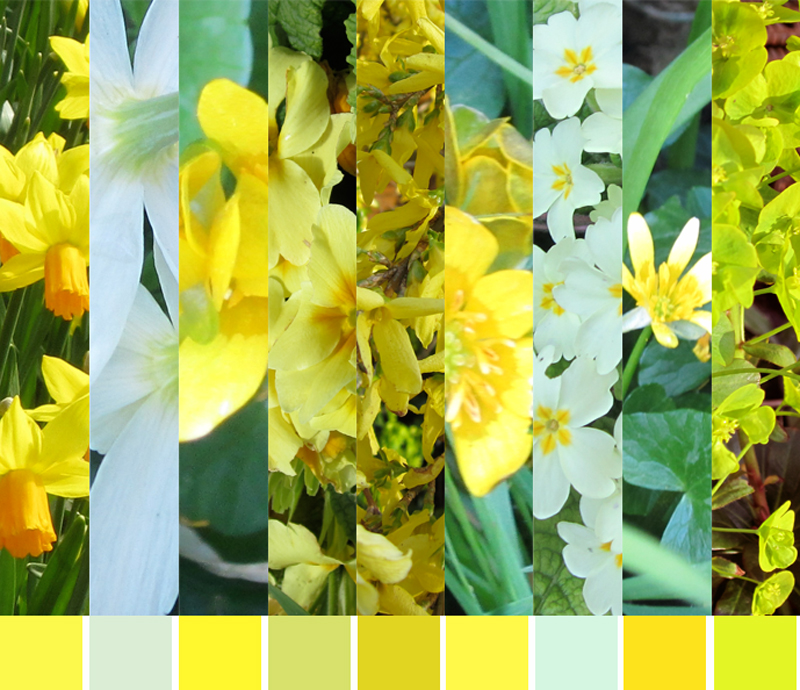
YELLOW April

Having noticed this week that the garden has suddenly started to change colour, I set about documenting all the yellow in the garden. Its not surprising at all that the photographs of the same flowers taken at different times of the day varied hugely, but I also recorded the range of yellows in the flowers of this very YELLOW season.

Image