Pattern design, outdoors and in…

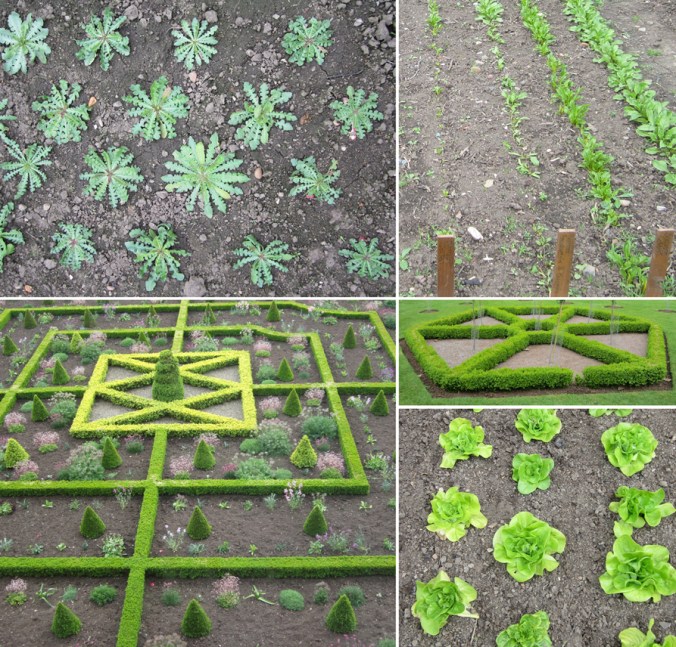
If you are a regular reader of this blog you will already know that for the last few years my personal design practice has been inspired by garden design, and most specifically allotments and kitchen gardens in my ‘Plot to Plate‘ collection, launched in 2012. I have spent many hours walking, almost patrolling, up and down rows of National Trust cabbages and onions, armed with my sketchbook, annotating the patterns, translating them to motifs, documenting the small irregularities, the planting plans, the labeling – fruit and vegetables up and down the country, as well as our allotment, plot 8 in Birmingham. Upton, Packwood, Baddesley Clinton, Blickling, Felbrigg, to name a few National Trust gardens I have surveyed and taken inspiration from. Hanbury is my current favourite garden and I have been working on a number of patterns inspired by this property that will one day be complete, to launch at Tent London this September.

It is with this in mind that I write my thoughts. There are so many similarities between garden design and textile design they seem perfect companions in my practice. Long before Mr W. Morris picked up a pencil the natural world of flora has been a dominant subject of inspiration for pattern in the home. Rather than the bouquets and sprigs, posies and trellis it is the formal gardens, the parterres and kitchen gardens that hold the structure and compositional language that we textile designers and design educators regularly refer to…

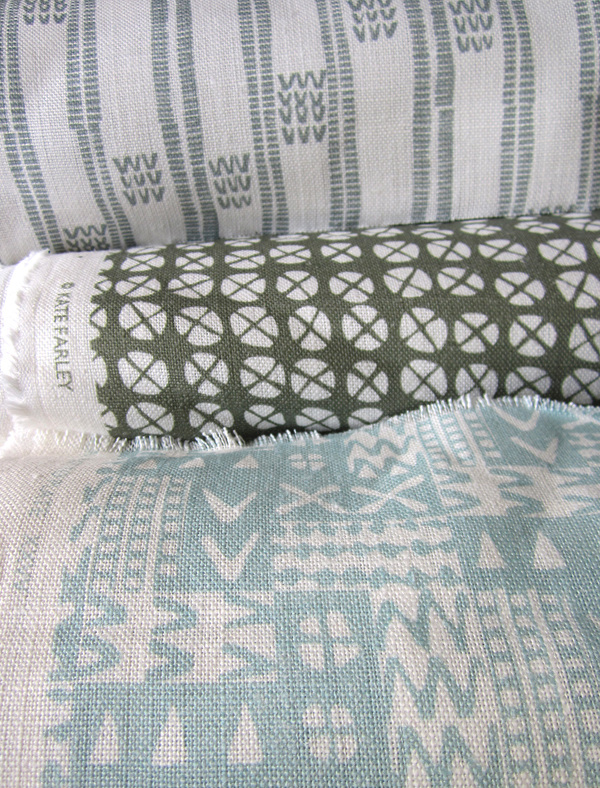
Stripes, spot repeats, all-overs and multi-directionals, geometric grids and diamonds, checks and plaids are all to see. And so it is, that it makes sense that I really have brought two things that I do enjoy together in my creative practice. It’s too early to share artwork for my new ‘Hanbury’ designs but I will share some garden pattern from Hanbury, and my ‘new’ fabrics by the metre, available very soon, in anticipation…

garden_textiles_hanbury_web  fabricrolls1_web

Communicating Colour

Evocative, technical, predictive, informative, for matching, mixing, ordering, cataloguing, of materials, surfaces, finishes, whims and traditions…

Working across the fields of surface design, textiles, public art and fine art I have come across many ways to represent colour in order to communicate qualities. Whether it be for perfecting a match for production, or generating an evocative palette for a client, each niche within the industry has its way of doing things. Black for the Northern Line, double yellow for no parking, gold for the winner, and red for wrong. From Global Color, to Farrow & Ball, Pantone to Berisfords the language of colour is key. Some give codes, other names, sometimes a swatch, others a smudge, universal, local, a science and an art!

Seductive, formal, in a book, or on a card, each help to create the colours in the world around us, and while the skills of the individuals choosing, producing and matching will no doubt be overlooked by most, may the colours continue to sing, calm, provoke and much more.

I’ve brought some of the various forms of colour I work with together to brighten up this grey, wet Monday in February.

communicating-colour_web

micro florals

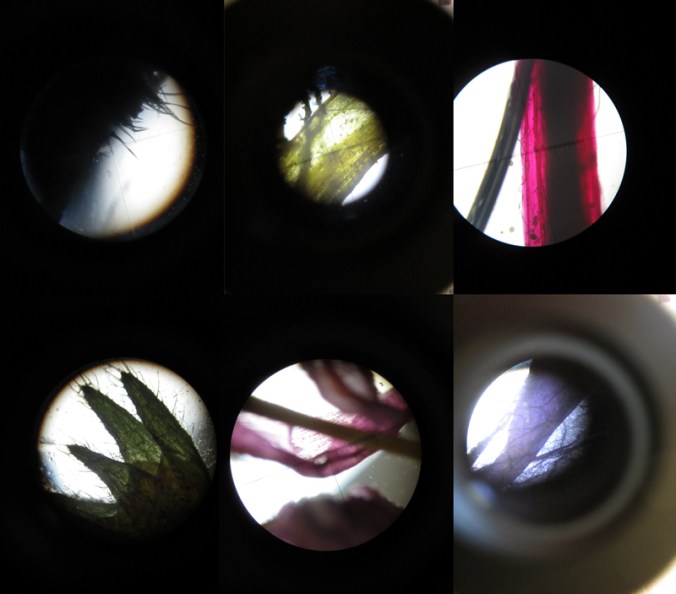
I’m used to gathering flowers and then drawing them over and over in order to learn more about their colours, shapes, forms and structures in order to develop imagery for prints and textile designs. At home this weekend we looked at flowers in a different way. We investigated last years plants that my daughter had pressed safely, and looked at them under the microscope that my son had become rather too keen on discovering inside the utilitarian wooden box it lives in.

We had great excitement as some rather plain plants revealed stunning patterns and textures and were disappointed when something beautiful at full-scale looked rather scary close-up. On trying to capture these images on camera the results were reminiscent of Len Lye animations and got me thinking about other ideas. Here’s a few images to share…

micro_6_web

noticing Nottingham

Having had such a great ‘destination’ review from Cara of Patternbooth blog fame via Helen’s blog DesignHunter we chose Nottingham for a last minute weekend get-a-way. I had last visited the city as a student in about 1997 and this time we set off looking for a completely different experience from the cider-drinking ‘DM boot wearing’ art student of yesteryear.

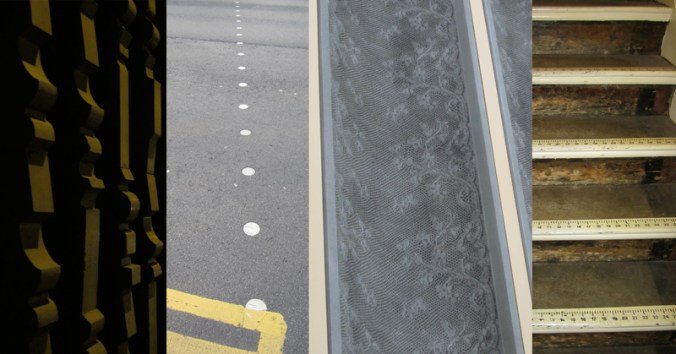
We visited lots of independent cafes and restaurants, watched a great art-film in the Lounge at the Broadway Cinema, shopped in vintage shops & design shops and yes, we did find time to sup ale at Ye Olde Trip to Jerusalem. It is a city with a great variety of interesting buildings embracing a myriad of architectural styles; almost a timeline of the design history lectures I give to my Textile Design students. The lace trade is still visible in many ways, and contemporised on the exterior surface on Nottingham Contemporary.

We had a thoroughly great time and returned home with rounder tummies and fuller bags than when we left Brum on Friday night! Thanks Cara, Helen and Nottingham!

images L-R: exterior facade of a car park, dots on a crossing, Nottingham Contemporary exterior, stair detail from the Paul Smith shop

NG_stripe_web

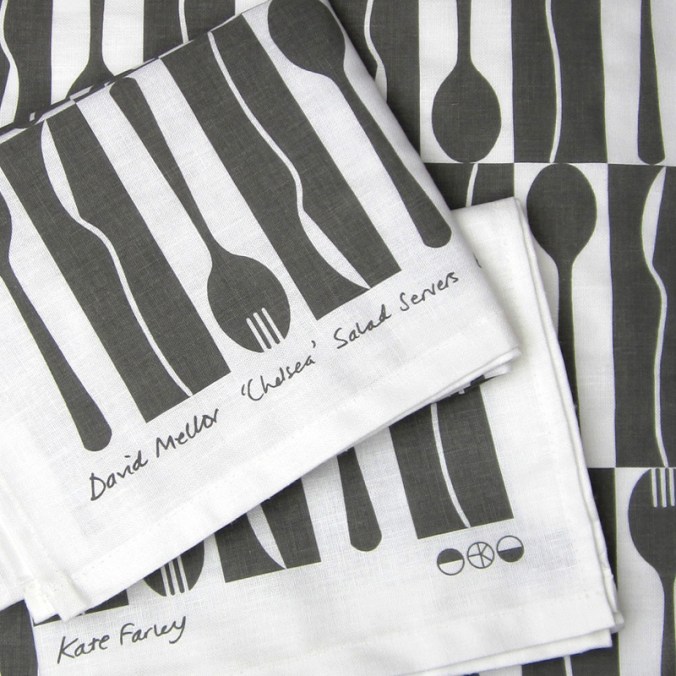
‘Chelsea’ drawings to design for David Mellor Design

Many months ago I had the go-ahead from Corin Mellor to design a bespoke pattern to celebrate the fabulous ‘Chelsea’ salad servers that he designed for David Mellor Design. When I first saw the cutlery I immediately really liked the look of them and when I received the servers they were amazing to hold – they still are. Impressive in weight and size, the shape is simple yet stunning, and they inspired me to set about drawing. With a number of design options I provided Corin Mellor, Creative Director and his retail team, they discussed and advised, and before long we agreed on this design that is now printed on to linen union tea towels and sold on my website, David Mellor shops in Hathersage and London as well as Museums Sheffield.

With the tea towel now listed in the ‘Special Products’ section of the David Mellor catalogue I thought it time to show some of the images I have of the process. I took inspiration from my visit to the factory in Hathersage where they make and display the cutlery production process as well as the objects themselves.

I’ve had great feedback and sales, we are having another print-run and they’ve received press in the form of Elle Decoration!

Thanks also to Patternbooth and Design Hunter:

drawing_mellor1webprintedMellorTags_webmellor_square_web

elledeco_Mellor_dec13_web

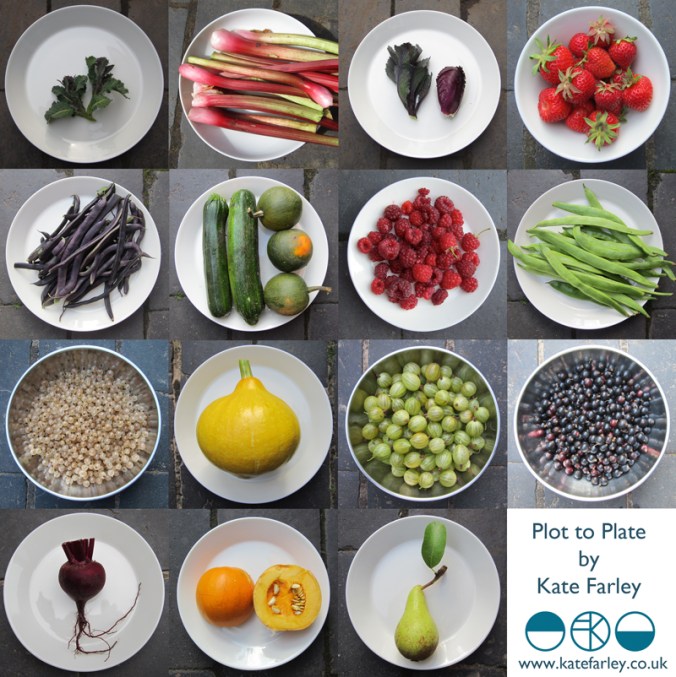
the true Plot to Plate harvest of 2013

Today I picked the final handful of beans, harvested the last of the squash in case we are surprised by a frost, and noted the pace had slowed on the rain-battered raspberries. We still have courgettes and the last row or two of potatoes, plenty of beetroot, celery… and parsnips – and for those we wait for positive news of the frost before they accompany our Sunday roasts.

I’ve often returned home from the plot to capture in photographs the success of the allotment on our plates and bowls, capturing the beauty of shape and colour of our fruit and veg. Today I thought it appropriate to put together the photos as the harvest comes to a close. I realise its incomplete; no sweetcorn, no cucumbers, no carrots or peas no blackberries or swede. No disrespect – some were a success, some disappointing – but there’s always next year to make amends.

I have to thank this lot for providing me with constant inspiration for my design collection of the same name – and this really is an example of Plot to Plate.

plottoplate_2013

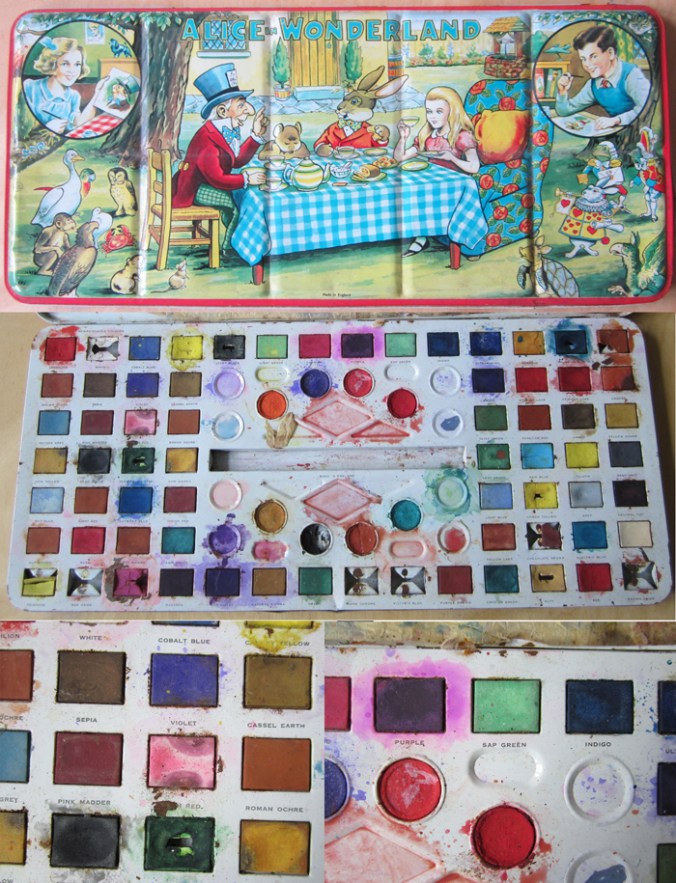
box of colour

I was shown this wonderful Alice in Wonderland paint box that has been looked after for many years. It is so much nicer than much of the branded, TV themed products of today. I especially like the labeling of the names of the colours. Is sap really that green? I would have been a very happy child to have received a box of such size and potential. Note: Made in England!

alice_paintbox_web


Design inspirations 2: the natural world

Second in the series of ‘Design Inspirations’ blog entries…

The natural world has long been an inspiration for textile designers. Many years on from William Morris celebrating the natural world of flora and fauna as decoration for textiles we have had Laura Ashley, Marimekko and Orla Kiely, to only name three companies, who have interpreted the natural world and created stylised patterns and imagery which continue to inspire design students of today.

At times the worst thing as a lecturer of design we can hear from a student is that their project will be “about shells” and we dread the worst examples of static and bland studies which do little to explore the beauty and wonder of the natural world’s creations of form, structure, surface, pattern, colour and more, before approaching the bountiful concepts and metaphors in the ‘dot to dot’ of design processing hidden around the shell!

In my drawings I often aim to distil and to simplify a plant structure or shape of a flower in order to create motifs for prints and surface patterns, exploring perspective, diagrammatic language and relationships with place / context. I have a huge archive of drawings made on locations as well as boxes and bags of samples including plants, stones & leaves and one day they may well feature in designs. You never now what you might need! Going anywhere new, even for a holiday means that I keep my eyes open and often pockets filled as a result of finding new things.

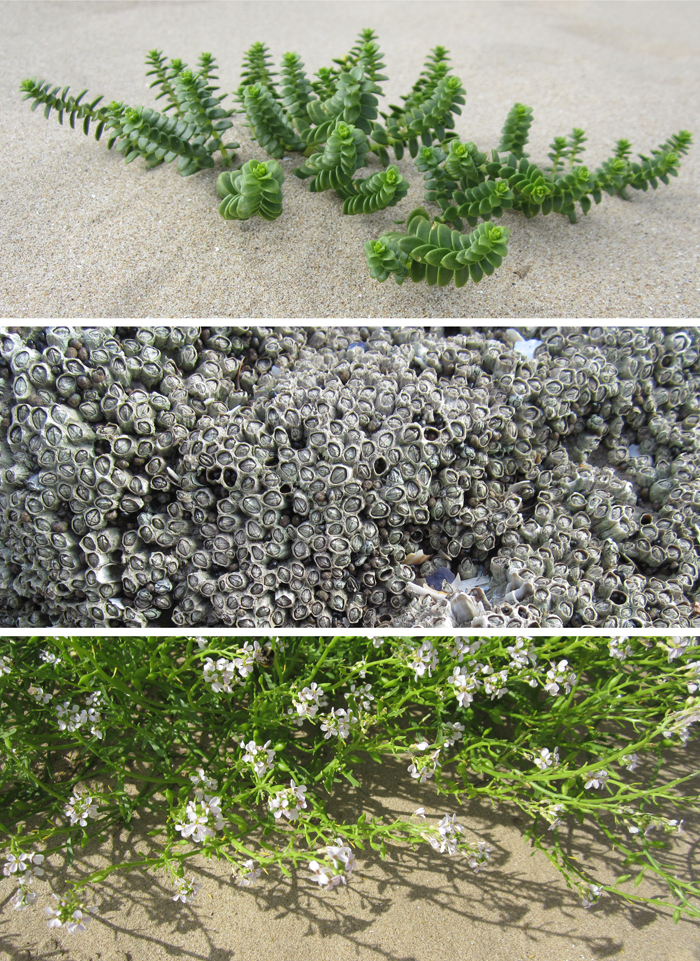
Having visited the Gower peninsula for one last summer camping trip I came across these examples of natural forms, which could and would create different visual interpretations in the hands of each creative prepared for the job. That is one reason why I like to play a part in design education; to facilitate the looking, seeing and interpreting, and it is certainly why I like to keep on collecting, and keep on drawing.


Image

Words of Walberswick, Suffolk

For some reason my first visit to Walberswick has been etched on my mind as a perfect summer holiday, long in length, filled with sunny days on the bridge crabbing, playing in the dunes, and on one day, huddling round a small, borrowed tv set to watch ‘The Royal Wedding’. This was in 1981, with memory’s thick rose-tinted spectacles on. I gather we stayed for a weekend!

Fast forward a few years and we have spent a fabulous week back in the small Suffolk, coastal village this summer, showing the next generation how to crab, and to play in the dunes, with no royal wedding to distract us.

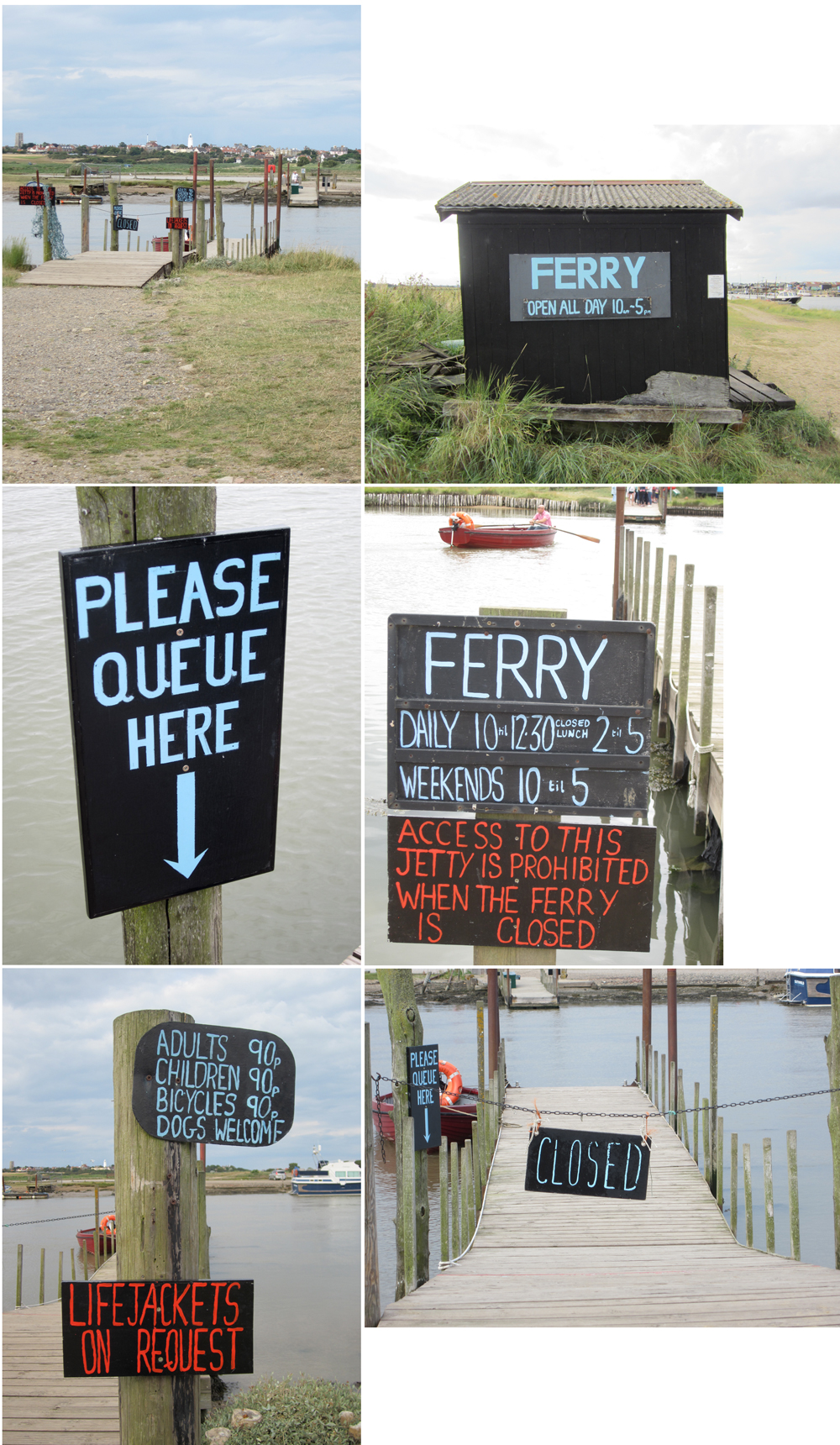
One vivid memory I have of our 1981 visit was of the ferry, the ferryman and his dog. We were confused quite why he seemed to make heavy weather of it, not rowing straight across – which seemed sensible, but instead rowing high up stream, before steering for the jetty on the Southwold bank. It was a real delight to be back on the ferry this time, with knowledge of the tidal waters, and for the small fee of 90 pence, taken across the water. There is pleasure in this simple transaction. If there was a queue, you waited. If it was only you, and not the maximum cargo, he rowed for you. Now that is service!

Image

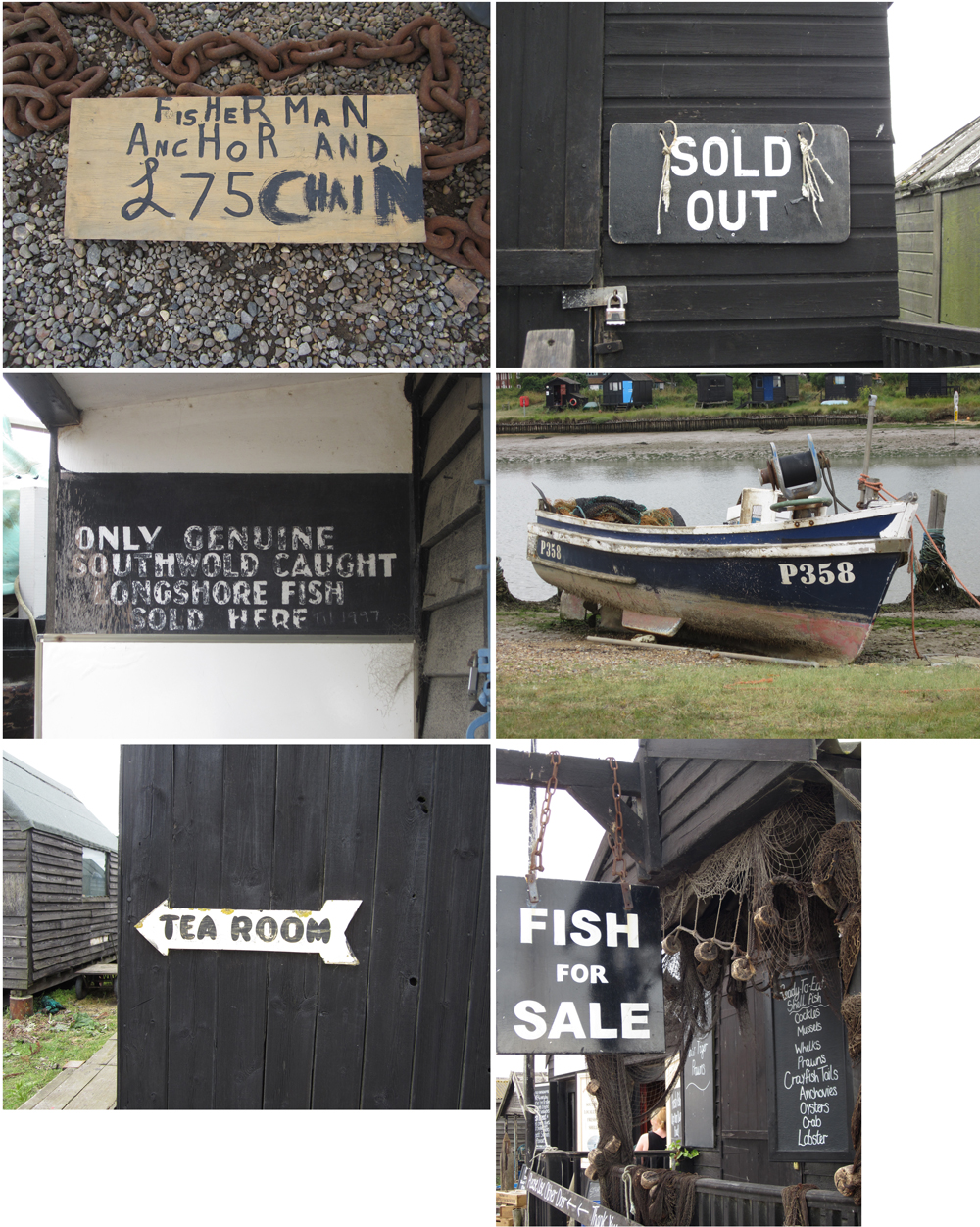
I doubt the signage originated from the 80s but I really liked the straight forward communications around the jetties. Around the banks of the Blyth the boats and black wooden huts featured many hand-rendered signs, some more formal than others, so I’m sharing them here, hopefully for your pleasure.

Image

Kate Farley – Plotting Prints at Tinsmiths

It is a very exciting time for me. It has been about two years in the planning and preparation stages and now we are a week in to my show at Tinsmiths. For those of you unfamiliar with Tinsmiths, it is a beautiful textile and lighting shop in the lovely Herefordshire market town of Ledbury. It is a beautifully considered shop, owned by Phoebe Clive, selling a wide range of fabrics as well as home wares, crafted pieces and artists prints.

I have worked closely with Phoebe to translate my lino printed designs inspired by allotments, to become a collection of heavy weight linen, hand screen printed textiles available to buy as cushions. We have also created larger showroom pieces as curtains and upholstered chairs in preparation for selling some of the designs by the metre later in the year.

Phoebe and the team have styled my products throughout the top floor of the premises in such a way as to create a clean and fresh interior space, working with the other products and furniture pieces in the shop. My prints and drawings are set amongst other exciting colour statements in the form of ceramics & lighting with an understated aesthetic. With plenty of positive feedback at the PV as well as sales throughout the first week it’s a really exciting reward for the long journey to this point.

Tinsmithssofa_web

cushion2_tinsmiths_web

glassdisplayTinsmiths_web


cushionsTinsmiths1web curtain_tinsmiths_webchair_tinsmiths_web