learning with archives

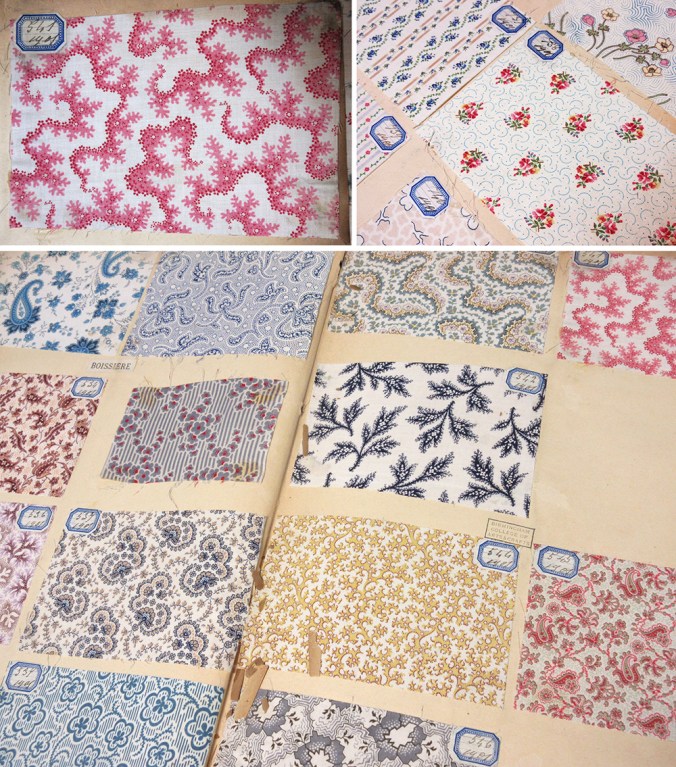
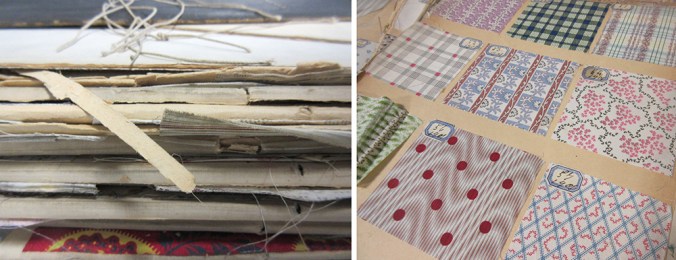
Recently I have been sharing joys from the fabulous archive of textile samples belonging to Birmingham City University’s library, some dating back from 1901. Myself and a colleague have been showing these treasures to our students, helping them to see their own learning as part of a history of design practices. In an age of the digital file it’s been fabulous to see how much interest these portfolios have generated with our students. It’s a tough call as we worry for the protection of these fragile items, and yet value being able to see and interact with them.

bcu_textiles1901_1

Being able to turn the pages, and reveal the hundreds of printed swatches is really an exciting journey and the students really engaged with the quality and preciousness of the items. The fact that all the samples are beautifully hand mounted and labelled adds to the beauty and experience. The range of design compositions is considerable, and the detail stunning. Tiny little flecks of print; an anchor, a petal of a flower, or coral texture printed on fine cloth demonstrate quality of the day. We noted the generosity of many designs, and discussed commercial appeal and production methods available before screen printing and digital printing possibilities. Of course this is pertinent at this time of financial cuts in the support to local and national libraries and associated archives, and with arts and culture being sold to the nation as a rather nice hobby we just can’t afford at the moment.

Seeing things with our own eyes helps to engage with the subject, making things real, and adding value to the experience. I spent an extremely insightful day at London College of Communication’s Learning Through Objects event #UALOBL last month discussing this subject with fellow academics, researchers and archivists. Yes it’s easier to deliver another ppt to a large group of students, but sessions with objects and physical activity are the ones that are likely to make far more impression, and make the difference to learning we are aiming for.

bcu_textiles1901_2

threads of an idea

It’s perfectly normal for me to begin a project by looking back at work I have made but not quite resolved. I keep sketchbooks of ideas and samples of constructions that will never see the light of day but somewhere among the pages there will be inklings of ideas that appear to connect and weave in to something right for now.

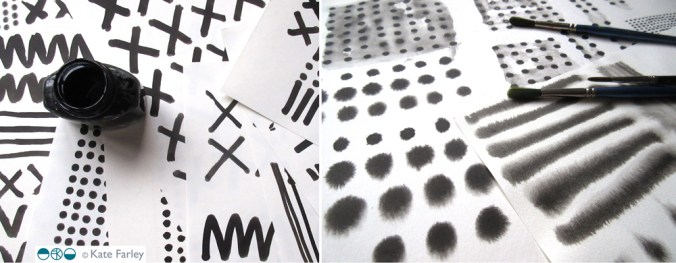
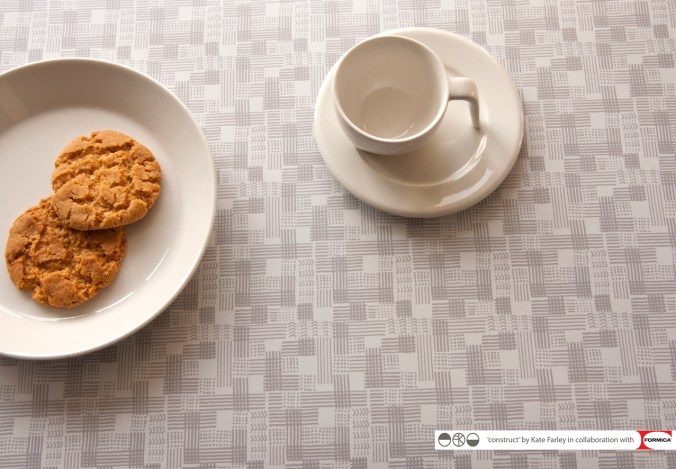
I wanted to get back to printing so I took the opportunity to explore a number of processes, including mono printing and lino printing to explore line qualities I’d sampled before, and soon I was back on the idea of woven yarns, linking my construct collection launched in 2015. This was a collection inspired by woven cloth, with drawings using hand-made tools dipped in ink that were used to create a series of repeating patterns I went on to collaborate with Formica with. I wanted to challenge the abundance of ‘faux’ material surfaces on the market, digitally printed wood-effect pattern, for example. Ideas were still left open…

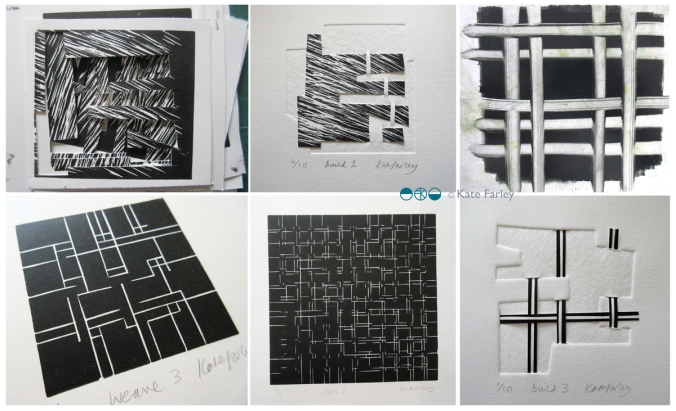
Running in parallel to this has been a long term paper project I have been toying with since about 2002; paper constructions that explore the depth of space beyond the page, a sculpture, but also a book. The build series grew to explore woven space of over and under. You can see some of the pieces below.

threads_devpaper1200
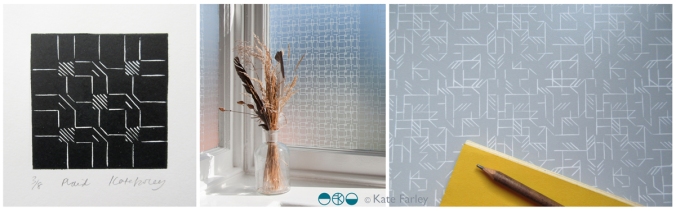
I see the threads collection as an extension to construct, but is equally quite able to stand on it’s own. I have produced several editions of prints and paper constructions that led to where I have come and I enjoyed printing in Payne’s Grey to not be distracted by colour.  All of a sudden I’m working with clear, colourless window film – it all makes sense. I am delighted to have worked with The Window Film Company to develop the patterns for windows. They have been an amazing company to work with. Cheerful, prompt, generous and supportive in all aspects of working with the team – a big thanks to you guys!

I was also pleased to return to laminate and Formica to enable bespoke production and am delighted with the results. I’m enjoying working on designs for harder surfaces but I still can’t help but sample other materials, so the collection I shall show at London Design Festival includes a new rug sample, screen printed cloth, and hand-made notebooks featuring patterns from the collection as well as vinyl and laminate.
If you are visiting London Design Festival I hope you will come and say hello at Tent at London Design Fair. Hall T1 stand G18

threads_products_blog1200

patterned walls and windows

They have been a while in the making, with lots of drawing, designing, discussions and sampling over the last ten months but my designs for Tektura Wallcoverings have been launched, and I’m delighted to be able to share them here. There are five in total so do visit the Tektura website to see them all. The images of the drawings are mine, the product shots are courtesy of Tektura.

I was working on the designs at the same time that I was developing my ‘construct’ collection and Tektura really liked the look and potential of those designs but I needed to build two distinct looks to avoid a conflict of interest. You will see similarities but I utilised different drawing tools and pattern systems to explore a variety of options in my markmaking. I created many sheets of paper full of inky motifs that eventually, after a lot of design development over several weeks both on paper and at the computer screen, became digital artwork to hand-over for production. At Tektura the colours and scale of pattern were sampled and marketing / sales information was created for the launch. One thing I find hard is naming the designs, and this was no exception. The thesaurus was called upon, as was Google to check existing references, and a colleague at BCU also contributed – thanks Clare! In the end the names pretty much describe the pattern. I won’t be a poet anytime soon!

KFarley_TekturaDrawings_blog

My past experiences of working on large interior / public art projects enabled me to work with the scale of the potential interior environments that Tektura provide for in my mind the whole time. These designs for Tektura can be customised and applied to wall and glass surfaces and so as I designed I maintained modular components that can be re-coloured or omitted for each client’s specifications. This is a wonder that digital production can provide; enabling bespoke solutions.

KFarley_point_tektura_blog

For me this project highlights key values in my practice: the importance of drawing and hands on image-making, knowledge and understanding of digital production and product context, and the value of working relationships and good communication. Each client I’ve had the pleasure of working with over the last fifteen years or more, whether it’s the design director, art officer or buyer can really shape the design process they are commissioning. From outlining the brief, to negotiating the design direction as well as final sign off, these things make a big difference to the designer, often working far beyond the hours intended in order to allow sufficient time to reflect on the design process and outcomes. Digital communication allows artwork and thoughts to be shared and discussed in minutes, and decisions can be made together.

The great thing about working with companies such as Formica and Tektura is that they are industry experts with fabulous products, trusted by the market. By working with this expertise I learn more and get to understand the design world from their standpoint. Who would have thought my patterns would be on such a stunning shiny surface as Glint (below)! Working with Tektura Wallcoverings has been a pleasure and I’m proud to show the designs off. Thanks to Angela and the team!

KFarley_splodgeTektura_Blog

looks are deceiving: truth in pattern

As a student at art college I was taught the principles and beliefs of great artists, designers and theorists such as William Morris and John Ruskin, and mantras of the founders of De Stijl and the Bauhaus. As a designer myself I haven’t set out to follow any particular philosophy or approach but have developed my ethos over the last two decades as I experience diverse design contexts, clients, markets, technology and changing industry. Also, in my role as an academic at Birmingham City University delivering lectures on wide ranging art and design contexts in relation to textile design, social change and global influences I have learned considerably more and this has led to me further considering my own approach and philosophy as a designer.

My ‘construct‘ collection was developed as a response to my loathing of ‘fake’ surfaces, and the ever-growing interiors market of printed patterns of wood, stone and other natural materials, copied at ever-higher resolutions on a vast array of substrates. Is it possible to have printed stone effect on wood yet? Why would I want a copy, an imitation rather than the real thing, and would it be right to desire marble in an Edwardian semi in the Midlands of England? In my new ‘construct’ collection I’ve played with this idea by making printed pattern inspired by constructed cloth, not copying directly from the woven threads but evoking a sense of them.

As a pattern designer I spend time considering potential surfaces and contexts that pattern may exist and this leads me to the conclusion that if we stopped using copies of materials as pattern on surfaces we could find space for far more inventive, creative and exciting patterns in our world. I believe that if the material you have is not wood, why don’t you consider alternative patterns, entirely suitable, without relying on copying natural materials. I can’t decide who is providing for who here. Do consumers want fake, or do they have to buy fake because there is little else out there? (btw: If you need laminate with beautiful patterns don’t forget to consider my ‘construct’ range in collaboration with Formica!)

KFarley_construct_grid_logosWEB

The approach to honesty and truth to materials was one of many key philosophies for Augustus Pugin, known for his commitment to the Gothic revival in the 19th century and his design work on the Palace of Westminster as well as St.Chads Cathedral in Birmingham. He considered the neoclassical fashion for painting any surface to look like marble as deceitful, and wholly incorrect. He favoured flat, stylised pattern too, so as not to deceive the viewer,  designing many patterns for tiles, wallpapers and textiles for the buildings he also designed.

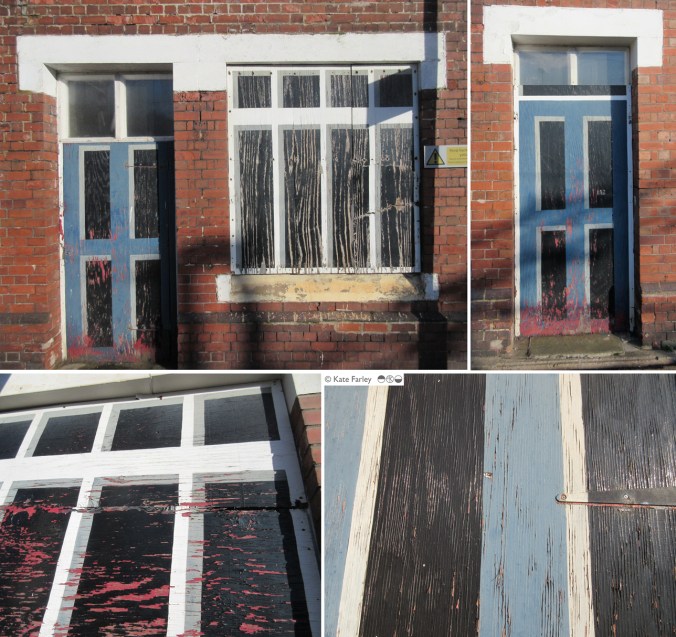
This week I was up in the Potteries for a meeting, and as with hourly trains, I’d just missed one so I spent 50+ minutes waiting in very low temperatures at Longport station near Stoke on Trent. Noticing my surroundings I was tickled to identify the ‘mock’ nature of the station building. All the doors and windows on the platform side have been boarded up and painted to look like… doors and windows. I assume this is some sort of security measure. As the paint has started to peel it revealed the deceit below. This sight is the cause of this blog post. I wonder what Pugin would have thought?

longport_kfweb

print pattern show up and down… at Tent London

After months of planning, designing, making, printing, promoting and talking about the show… the time finally came… TENT LONDON! With very heavy bags, a display diagram, carefully planned tool kits, shelves, fabrics rolled, and so much more we set off to Brick Lane, London to put the show up. Our lives with small children are full of logistics, and this day tested us! Trains, tardy paint, luggage & childcare kept us busy and in relay between London and Birmingham so the show could take shape. By the end of the first day the majority of display items were on the right walls, fixed securely, and I headed home to the midlands.

The next day…. I set off again with ANOTHER heavy bag (these things don’t always get mentioned in trade show prep talks!) and completed the stand dressing, including the mood board for ‘construct’. It always takes longer than you think… I attached the vinyl, tidied up and left for a good nights sleep before the LONG first day of 10am – 11pm!
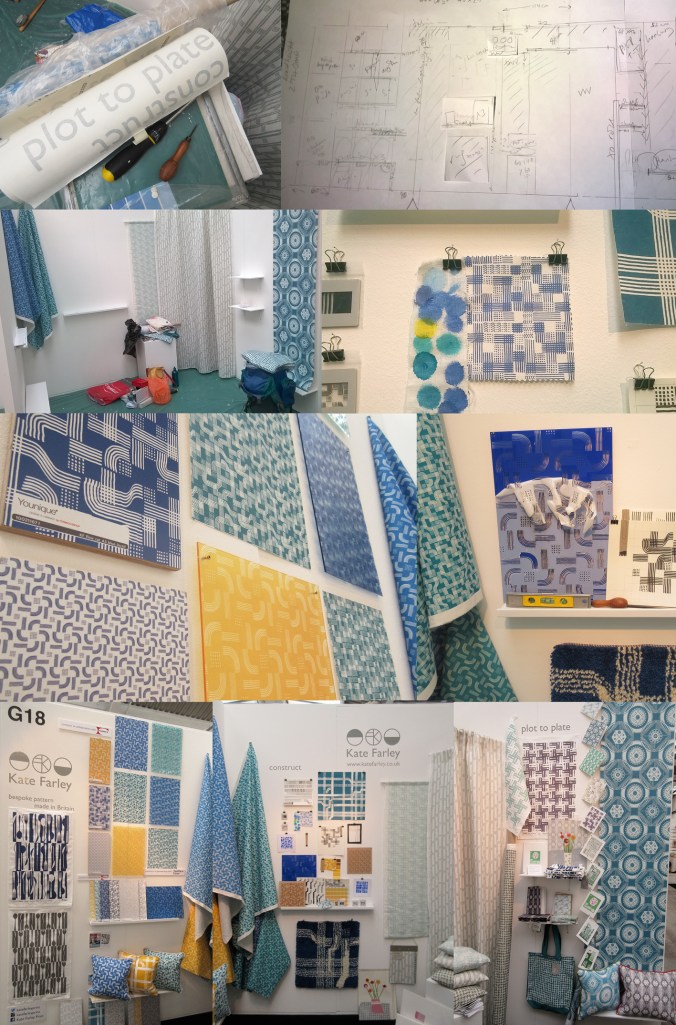
KF_tentstand1_G18_15web

The first day of a launch / show is always exiting and scary. Will people understand the new work, and will they like it? This particular morning was not helped by being stuck in a lift across town with my dear sister and only what sounded like a fax machine to talk to. Eventually after 20 minutes we were told the lift engineer couldn’t get the door open, “you are in a precarious position”!!! I’m not sure what customer care training he had received about talking to distressed people stuck in a lift. For anyone in this job, do not use the word ‘precarious’! We got out after nearly half an hour…

For the rest of the day I felt half an hour behind, but I launched my new collection with free limited edition screen prints which appeared to be gladly received by visitors. The collaboration with Formica Group was a really popular element to my new collection, and the mood board featuring my drawing tools as preliminary artwork inspired lots of really interesting conversations. Being a solo designer can be a very lonely, self-reflective existence so it’s great to get feedback from those you design the work for. Architects, interior designers, specifiers, stylists, press, retailers and many more visitors invested time to talk about all elements of my work, and for that I’m grateful. ‘Plot to Plate’ was launched in 2012 and has evolved over time to be a ready to buy interior and gift collection but ‘construct’ works differently. Only the cushions are available for immediate sale, and the rest is printed to order to allow for the distinctive element of the collection, the bespoke production. By working with Formica Group and Surface View my designs have been printed on a range of surfaces for the residential and contract markets.

When designing the stand I had to consider what I wanted to communicate and who I wanted to relate to. Over the years I’ve refined the ideas of what I want to do and the contexts in which I thrive creatively and this design show gave me the opportunity to put that understanding across. It was important to explain that I have lots of experience of creating bespoke pattern for clients and having just designed a new pattern for David Mellor celebrating the ‘Pride’ cutlery this was a great thing to show. It was really well received and orders have already been dispatched!
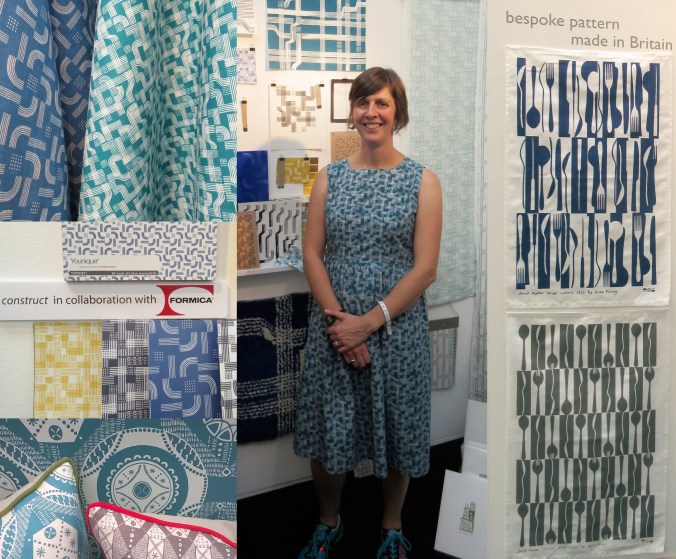
KF_tentstand2_G18_15web

It is very hard work minding a stand of your own, by yourself for several days. Every show I’ve done has been helped by the wonderful community of fellow stand holders nearby and this year at Tent London was no different. I met kind and sharing exhibitors I hope to stay in touch with, and I will certainly watch and support their practices on social media with interest. Thanks to you!

I’ve written this previously too, but as ever, I was visited by past students of mine from both my CSM teaching days as well as BCU Textile Design graduates, some visiting to inform their practices, others in their roles in industry. It makes me proud! I am also pretty good at spotting students and as long as they don’t just grab the postcards I support their efforts and questions as they are being proactive and engaging with the industry. London Design Festival offers something for any creative so it’s good to support the next generation.

Last year I made a dress using one of my new prints, and I did the same this year, much to the delight of the Tent London ladies! It was a great way to demonstrate the flexibility of my print designs, and a good way to make conversations; it became my uniform.

I also won a design competition for tote bags at the show to be printed with a ‘construct’ placement print, so some lucky people have a very limited edition screen printed bag!

The end of the show has mixed blessings. After a long few days and months of preparation it’s great to have achieved a strong show – many kind people commented on how good my stand looked, but it also means the adventure is over, and it’s sad taking the show down, packing it up and saying farewells. Even in a few days routines are created. We struggled back on the trains with what we measured later as being 59Kgs of exhibition and assorted support luggage between two of us, ready to follow up the contacts made…. and to sit down!

So what have I learned?

  • I learned that I really am making the work that I want to make, and did manage to communicate that with the right people.
  • I’m really proud of both collections, and am delighted at the reception that ‘construct’ received
  • and latch hook rug making! I learned how to make a rug and now know why they cost so much… but really enjoyed making it… with British wool!
  • I learned how important it is to take risks, to put work out there to be judged… to keep learning

Thanks to all those involved: family helpers, the Tent team, Formica Group, Surface View, fellow exhibitors and for everyone who came to visit.
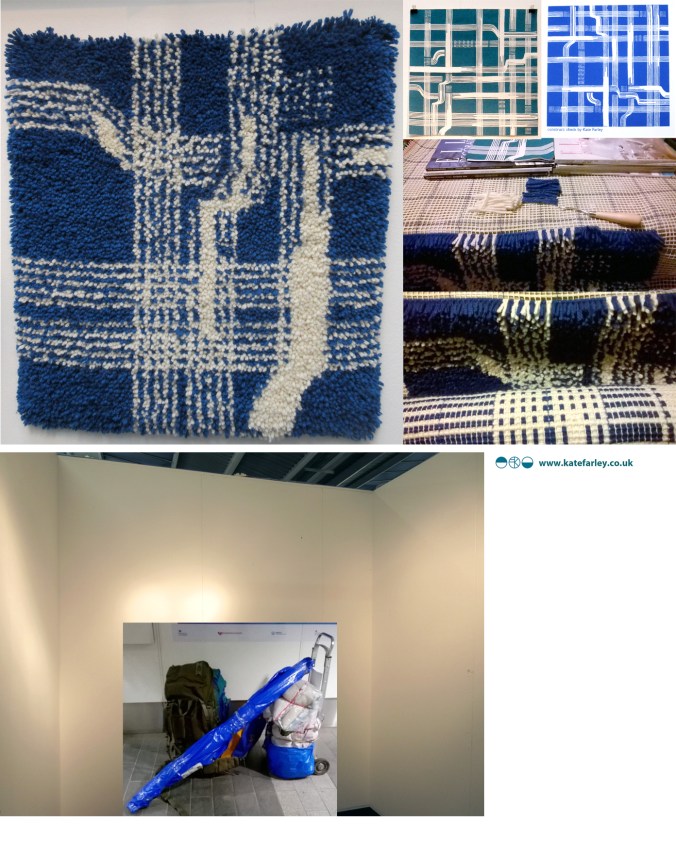
KF_tentstand3a_G18_15web

construct – first glimpse…

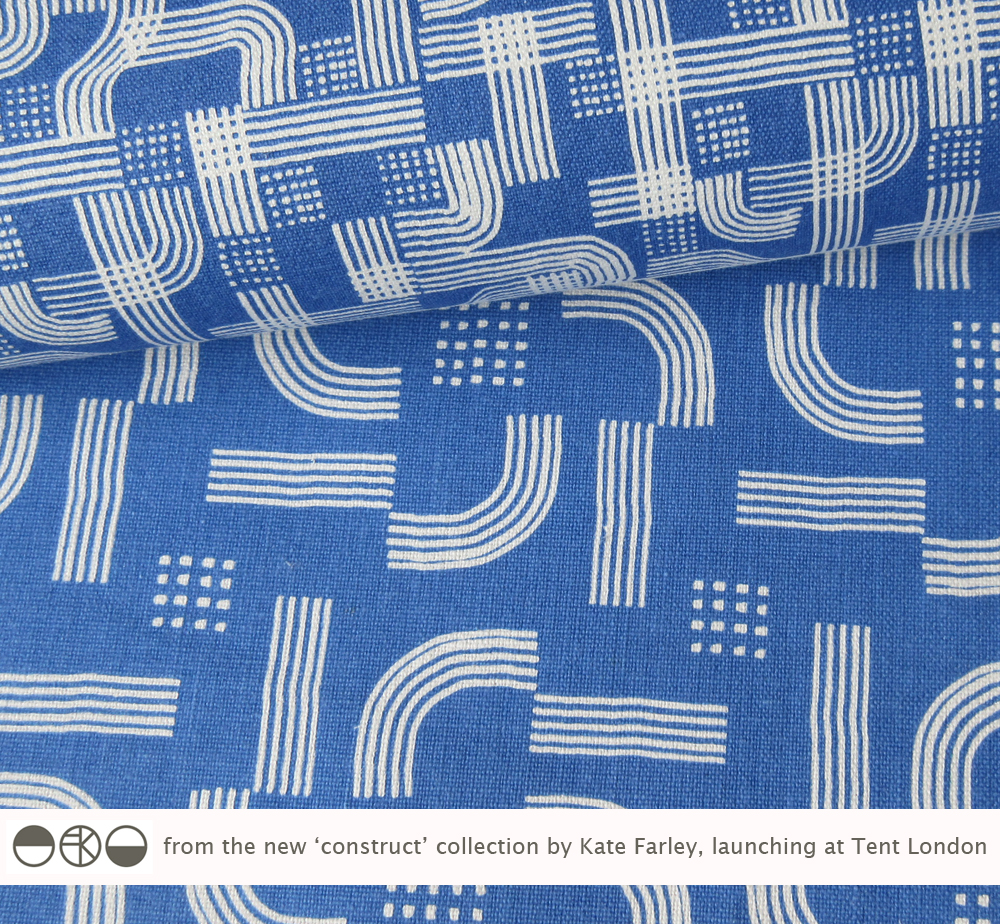
I’ve spent many months working on a new pattern collection and will be launching it at Tent London at London Design Festival this September. I’ve kept any signs of the design development away from social media until now, but here’s a couple of the patterns from the ‘construct’ collection. I shall write more about the ideas behind the collection in due course.

KateFarley_CONSTRUCTblue

a new starting line

I’ve spent more than two years developing designs and products in the ‘Plot to Plate‘ collection and was incredibly proud to show the collection, with the new ‘Hanbury’ wallpaper at TentLondon in the London Design Festival in September to a great reception. Allotments and kitchen gardens inspired the limited edition prints which inspired the patterns, British manufacturers make the products and I’ve documented much of this process here in the blog.

During this time I’ve also been working on really exciting projects that are at stages too early to share here, and I’ve created commercial print designs for clients in both interior and fashion sectors. Each of these briefs have been creative, with a variety of factors to balance, and most importantly with a client at the end of it. I enjoy juggling a range of projects, each one fulfilling my design drive, alongside my role as lecturer.

Now is the time to take stock of my own research practice again and take issue with ideas that have been germinating in the hinterland of my mind in relation to principle concerns in my design practice, which sit in harmony with my artistic and creative journey. It’s amazing how many threads of research and practice, when brought together make perfect sense, and reveal their value to me. Some discussions I had with visitors at TentLondon were opportunities to hear myself testing these notions, and so it is, back in the studio, with ink on a brush, ink on a roller and ink in the printer, I have started a new chapter, a new sketchbook and a new head-space.

It’s exciting, very daunting, and what drives me… I look forward to sharing this journey in the coming months, for now there is a glimpse…

KateFarley_startingLine

‘Chelsea’ drawings to design for David Mellor Design

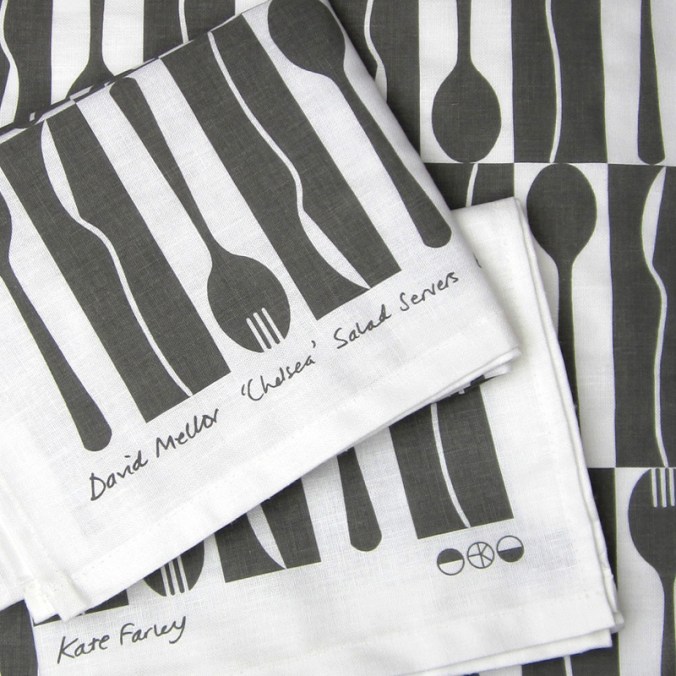
Many months ago I had the go-ahead from Corin Mellor to design a bespoke pattern to celebrate the fabulous ‘Chelsea’ salad servers that he designed for David Mellor Design. When I first saw the cutlery I immediately really liked the look of them and when I received the servers they were amazing to hold – they still are. Impressive in weight and size, the shape is simple yet stunning, and they inspired me to set about drawing. With a number of design options I provided Corin Mellor, Creative Director and his retail team, they discussed and advised, and before long we agreed on this design that is now printed on to linen union tea towels and sold on my website, David Mellor shops in Hathersage and London as well as Museums Sheffield.

With the tea towel now listed in the ‘Special Products’ section of the David Mellor catalogue I thought it time to show some of the images I have of the process. I took inspiration from my visit to the factory in Hathersage where they make and display the cutlery production process as well as the objects themselves.

I’ve had great feedback and sales, we are having another print-run and they’ve received press in the form of Elle Decoration!

Thanks also to Patternbooth and Design Hunter:

drawing_mellor1webprintedMellorTags_webmellor_square_web

elledeco_Mellor_dec13_web