miles on wheels

I was brought up in a very keen cycling family, as a useful form of transport from a-b as well as for touring holidays and adventures. Growing up in Norfolk meant ignorant bliss when it came to real hills, and yet we did know that it can feel as if you have a headwind on four sides of a flat field!

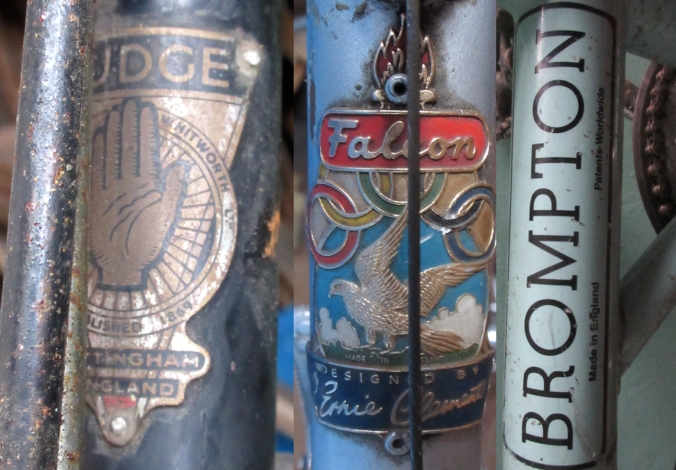
With the Design Museum’s bicycle focused ‘Cycle Revolution‘ exhibition now on, the theme of their Twitter #FontSunday recently was bicycle brands. This got me thinking. I own many bikes, and each one for different reasons and I have many happy memories of times on two wheels. I took a few photos and started to remember…
KFarley_bicycles_blog

My early school photos show evidence of me learning to ride. Scars, bumps and bruises across my face, the result of falling in to the ditch of the edge of the disused airbase runway in rural Norfolk. I’ve fallen off with full panniers on, in fords deep enough with water to soften the landing, and I’ve broken my elbow as a result of hitting a pothole that was so small it could hardly be photographed for evidence! I’ve cycled Boxing day charity CTC runs, made others fall in love with touring on wheels, and ran round the park being brave enough to let my own children pedal away from me.

I inherited the silver ‘Falcon’ after my dad died, and once I’d grown old enough to fit an adult frame. With huge sentimental value, I love the bike I’ve covered miles and miles on. Youth hosteling with friends in Norfolk, and further afield: Scotland, Wales, France and Denmark. Loaded high and wide, on the open road, enjoying the same freedoms my father had experienced on the same steel frame.

My ‘Rudge Whitworth’, a heavy gent’s black butchers bike with rod brakes and wicker basket was purchased for a tenner from a fellow student at the art school in Great Yarmouth. I loved riding along, with my art box in the basket, seated so high up that I could peer over fences and be nosy. It takes hard work to pick up real speed, and yet once going, it’s impressive. The stopping is more interesting / less easy!
KFarley_bikes_blog

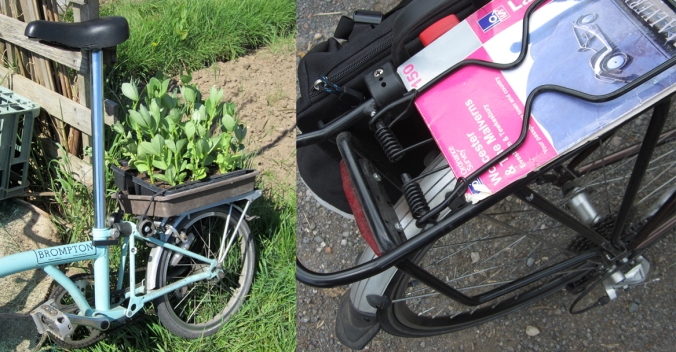
My life changed colour with the purchase of my ‘Turkish Green’ Brompton, from BikeFix in London. I ordered it before I’d seen the true colour but as the staff pointed at many products in the shop, saying, nearly this, bluer that that, brighter than those, I chose my new bike. On the day it arrived I excitedly arrived at the shop to discover the true colour, and to receive ‘training’ of how to fold and unfold the bike before I was allowed out on the streets. When I lived in London I headed off with the bike, all over the place, leading bookbinding workshops, before packing it all up, and heading off to the train home again, some miles cycled, others on tracks. Now this bike is my regular commuter bike to the train and I’ve covered so many miles in over ten years. I transport my children on it when they are too tired to walk, I load up the rack with runner beans in trays ready for the allotment, and I carry the harvest back from the plot, strapped up in front and behind. I fold it without a second thought now.

There are other bikes too. The borrowed, hand-built racing bike I cycled Lands End to John O’Groats on back in 1994, all 1144 miles of it. Then the Dawes Galaxy with ‘modern’ gears, that made me embrace cleats on the pedals instead of the rat traps. The red Falcon that I had before I was tall enough for my Dad’s old bike, I still have that one too.

Each bike I own was made with a different rationale to the next one, in different times, in different workshops and factories, with different ambitions. Each one I own has been part of a different story too.


Sissinghurst in full bloom

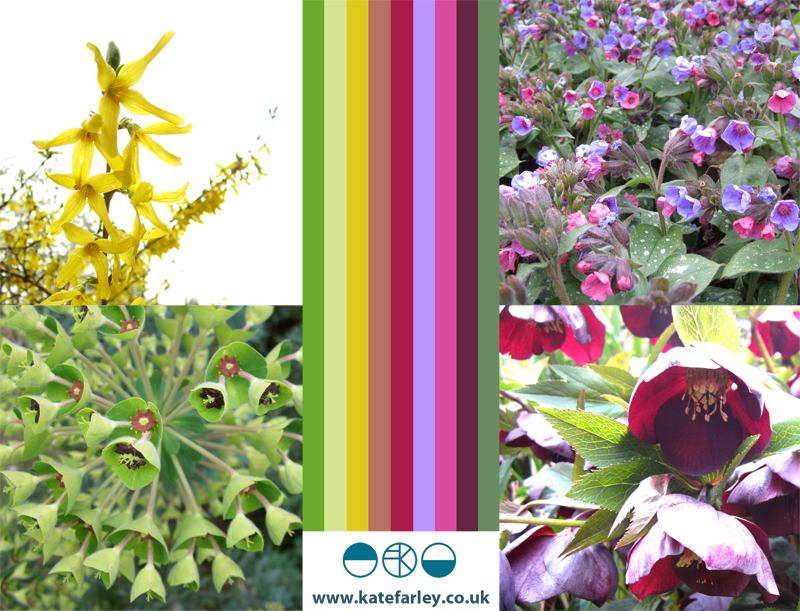
We had a great day out at National Trust’s Sissinghurst gardens in Kent last week even though the weather gave us several seasons in one day. It has been a number of years since my last visit and I’ve spent those years becoming more of a gardener, and launched my Plot to Plate collection of garden inspired patterns in that time so my reasons for observing, taking photographs and drawings have changed. The planting was fantastic; the combinations of colours and textures in particular were stunning. Here’s a few examples:

KFarley_sissinghurst_blogweb

Plot to Plate archaeology

When I was a small child there was a time when I wanted to be an archaeologist. Having been lucky enough to have visited several Greek archaeological sites and been inspired by the possible finds underground I was convinced I had the patience and where-with-all to try. That particular career plan didn’t last long but something of the magic of unearthing lost treasures, and working through the soil of past generations has most certainly been re-awakened through my adult years of gardening – and beach-combing come to think of it!

Over the last few years I’ve represented this process of working with the soil and bearing witness to nature’s materials in many drawings and prints, working to represent layers of gardening, as if strata of dinner preparations. I like the continuum of being a gardener, as the current occupier and protector of a long line of gardeners, each winning and losing the battles of nature and harvests for generations.

As I have dug the plot for nearly a decade I’ve discovered many broken bits of pottery, and some I’ve kept and others I’ve turned back to the earth to be found again at a different time. With no rationale to what I have kept but having created little gatherings; pieces turned out from my gardening trouser pockets, I have realised I’ve started another collection. (check out www.obsessionistas.co.uk for two more of my collections)

I like to see the different surfaces, the whites, the blues, and the hints of familiar patterns. Why do people plant their broken plates? It’s certainly a different narrative to my Plot to Plate collection…

KFarleyplotPotsdrawing100ahttp://www.katefarley.co.uk


Pattern design, outdoors and in…

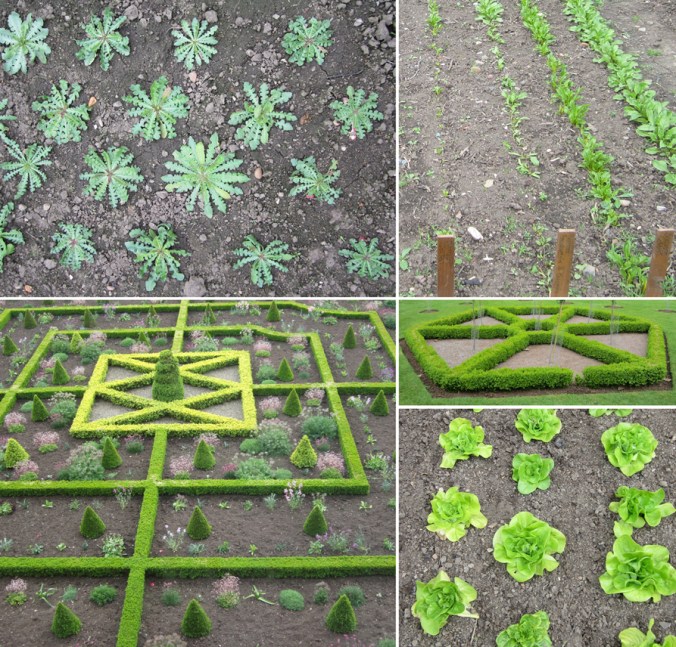
If you are a regular reader of this blog you will already know that for the last few years my personal design practice has been inspired by garden design, and most specifically allotments and kitchen gardens in my ‘Plot to Plate‘ collection, launched in 2012. I have spent many hours walking, almost patrolling, up and down rows of National Trust cabbages and onions, armed with my sketchbook, annotating the patterns, translating them to motifs, documenting the small irregularities, the planting plans, the labeling – fruit and vegetables up and down the country, as well as our allotment, plot 8 in Birmingham. Upton, Packwood, Baddesley Clinton, Blickling, Felbrigg, to name a few National Trust gardens I have surveyed and taken inspiration from. Hanbury is my current favourite garden and I have been working on a number of patterns inspired by this property that will one day be complete, to launch at Tent London this September.

It is with this in mind that I write my thoughts. There are so many similarities between garden design and textile design they seem perfect companions in my practice. Long before Mr W. Morris picked up a pencil the natural world of flora has been a dominant subject of inspiration for pattern in the home. Rather than the bouquets and sprigs, posies and trellis it is the formal gardens, the parterres and kitchen gardens that hold the structure and compositional language that we textile designers and design educators regularly refer to…

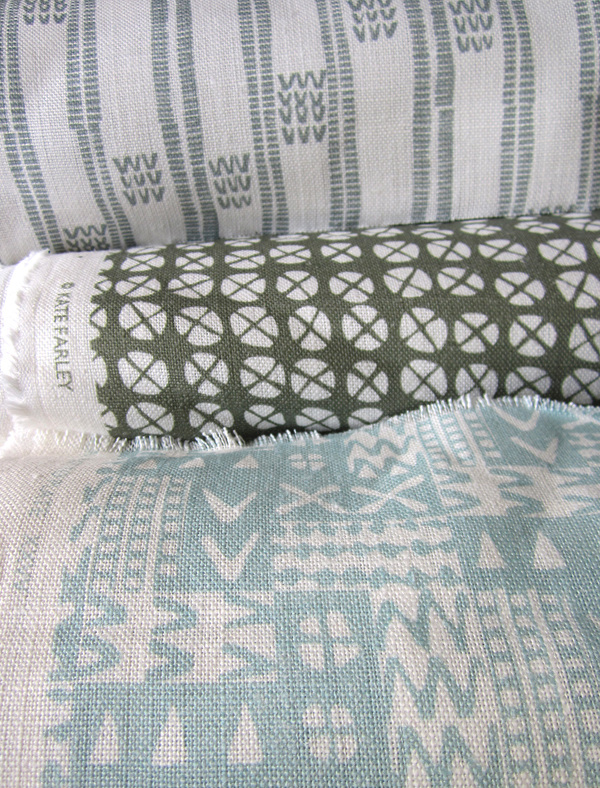
Stripes, spot repeats, all-overs and multi-directionals, geometric grids and diamonds, checks and plaids are all to see. And so it is, that it makes sense that I really have brought two things that I do enjoy together in my creative practice. It’s too early to share artwork for my new ‘Hanbury’ designs but I will share some garden pattern from Hanbury, and my ‘new’ fabrics by the metre, available very soon, in anticipation…

garden_textiles_hanbury_web  fabricrolls1_web

Colours for the arrival of BST

Today we welcome British Summer Time and the weather has been kind. The colours of spring always seem so purposeful after the winter months, with pink trees and purple or yellow blankets of flowers spread across the parks. At the allotment the grass is rearing its greens, and yet the purple sprouting broccoli let us down. Today I celebrate the colours of our garden, noticing the yellows and purples as predominate hues.

Image

spring in a vase

Despite us not having had snow yet this winter we have the pleasure of seasonal flowers that are so beautiful and distinctive, its time to celebrate them here, captured today on digital ‘film’.

I’ve drawn both the snow drop and the daffodil so many times over the years (mending from a broken elbow led me to a season of endless daffs drawings as a way to pass time) and yet each year they surprise me in their beauty. Is it too much to expect that spring will be just around the corner, and we can start this year’s digging?

snowdrops_webdaffs_web

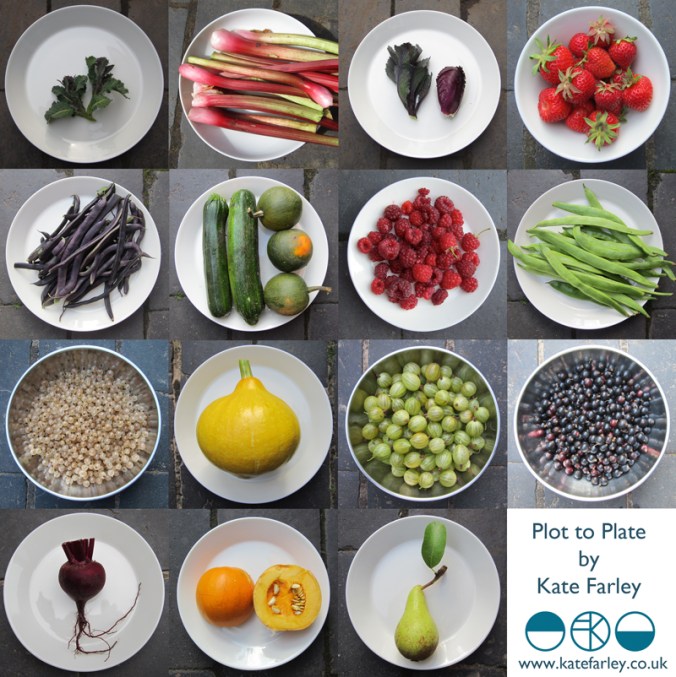
the true Plot to Plate harvest of 2013

Today I picked the final handful of beans, harvested the last of the squash in case we are surprised by a frost, and noted the pace had slowed on the rain-battered raspberries. We still have courgettes and the last row or two of potatoes, plenty of beetroot, celery… and parsnips – and for those we wait for positive news of the frost before they accompany our Sunday roasts.

I’ve often returned home from the plot to capture in photographs the success of the allotment on our plates and bowls, capturing the beauty of shape and colour of our fruit and veg. Today I thought it appropriate to put together the photos as the harvest comes to a close. I realise its incomplete; no sweetcorn, no cucumbers, no carrots or peas no blackberries or swede. No disrespect – some were a success, some disappointing – but there’s always next year to make amends.

I have to thank this lot for providing me with constant inspiration for my design collection of the same name – and this really is an example of Plot to Plate.

plottoplate_2013

Good feelings at the allotments

Taking care of an allotment plot is never about saving money on food – and Birmingham Council have ensured it could never be, given the huge plot rent increases. Tending a plot gives so much more than the crops that you harvest. Here’s a few good reasons:

  • Growing your own food provides the gardener with opportunities and excuses to go outside and realise that what looked like a grey, cold winter day is actually rather nice.
  • Digging provides an opportunity for head space, for time to mull things over, while also focusing on the amazing tenacity of bindweed and couch grass that really ought to be put to a constructive use rather than taking up all my time!
  • Making good use of time growing food makes you wonder why other people would want to spend each weekend wandering around indoor shopping centres, missing out on the feeling of muddy fingernails despite the gardening gloves and the sight of the first strawberry beginning to blush.
  • The satisfaction felt from a harvest that provides all the food for your family meal takes a lot of beating
  • and in addition to all this, I can thank the plot for the inspiration in my ‘Plot to Plate‘ design collection too.

Its a really good feeling when the crops are bountiful. The hard work of winter has paid off, the patience with the frosts and the protection from the birds has worked out okay and you get great stuff to eat for the commitment you give. With a fully laden bike and a handful of sweet peas to grasp on the handle bars you head home like a hunter gatherer from a previous age.

The thing is, when all goes well its an amazing feeling to be able to pass on the surplus to others who will also enjoy the success. Some years at the site we all have gluts of the same thing, other years we wonder what we did wrong when others are almost complaining about too many onions, and nothing has come of ours. It’s a great thing that there is never resentment to another successful gardener, but pleasure in their success. We share tips and ideas, timings and tools as well as the odd cast-off seedling and you’d be a fool to pass on the offer of parsnip seeds from Tony!

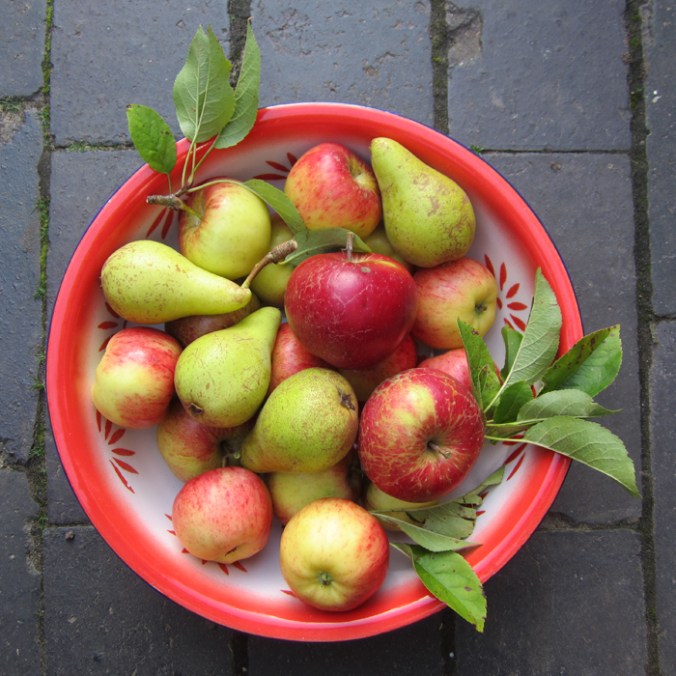
When a fellow plot-holder offered me her excess apples and pears today I politely declined at first, thinking that she would find something else to turn them in to, another apple tart, another crumble – really! too many apples? We have had a poor year in that regard. But there is a great sense of pleasure in offering ‘help’ in accepting the produce. We really are the winners in this hand-me down act, but it also feels as if we are doing a great favour in accepting the gift of free, home-grown food, enabling the grower to experience their own sense of generosity, good-spirit and community mindfulness, and saving them the feeling of not letting down the very fruit that served them so well this year – not bad for a bag of apples and pears – thanks!

applespearsbowl_web


the CURRANT project – black and white

Harvest is such a great time for gardeners and at this time of year we have fruit and vegetables making up for the muddy digging in the winter and months of patience paying off.

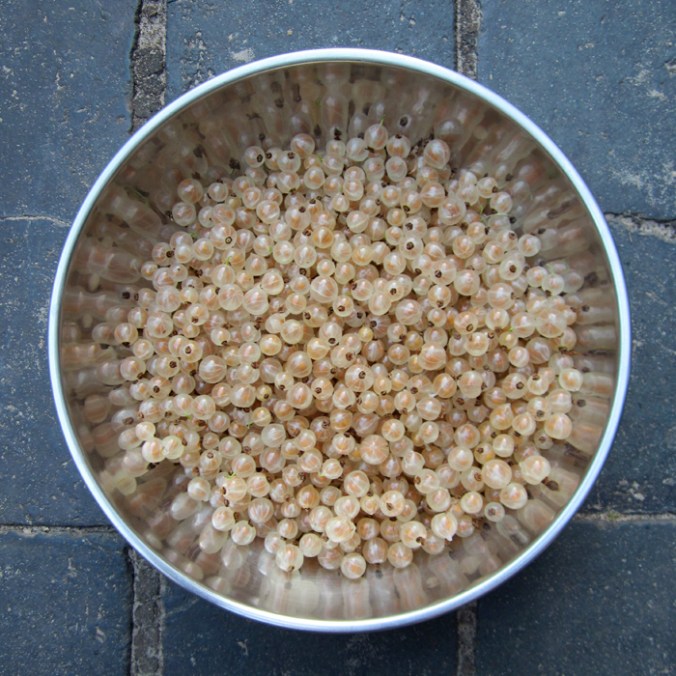
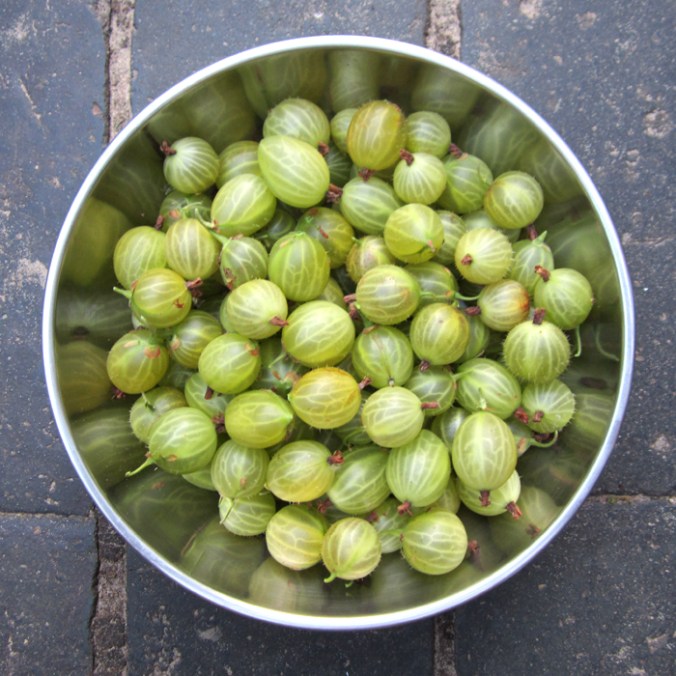
In the first few years after these currant bushes were planted on our plot I had to commit myself to the practice of hand-squashing the caterpillars of the sawfly as they crawled and ate their way across the leaves, stripping the plants bare as they left their homes in the earth below to climb up the bushes. I ticked the box of organic, even if it wasn’t particularly vegetarian of me, but now we have stronger plants that can provide us with ingredients for Summer Pudding – and that’s not bad!

blackcurrants_webwhitecurrants_webgooseberries_web

Kate Farley – Plotting Prints at Tinsmiths

It is a very exciting time for me. It has been about two years in the planning and preparation stages and now we are a week in to my show at Tinsmiths. For those of you unfamiliar with Tinsmiths, it is a beautiful textile and lighting shop in the lovely Herefordshire market town of Ledbury. It is a beautifully considered shop, owned by Phoebe Clive, selling a wide range of fabrics as well as home wares, crafted pieces and artists prints.

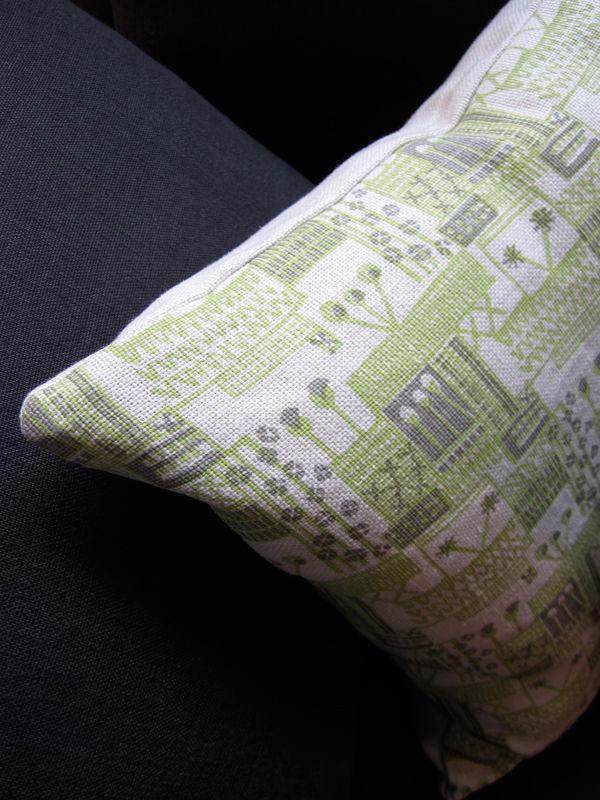
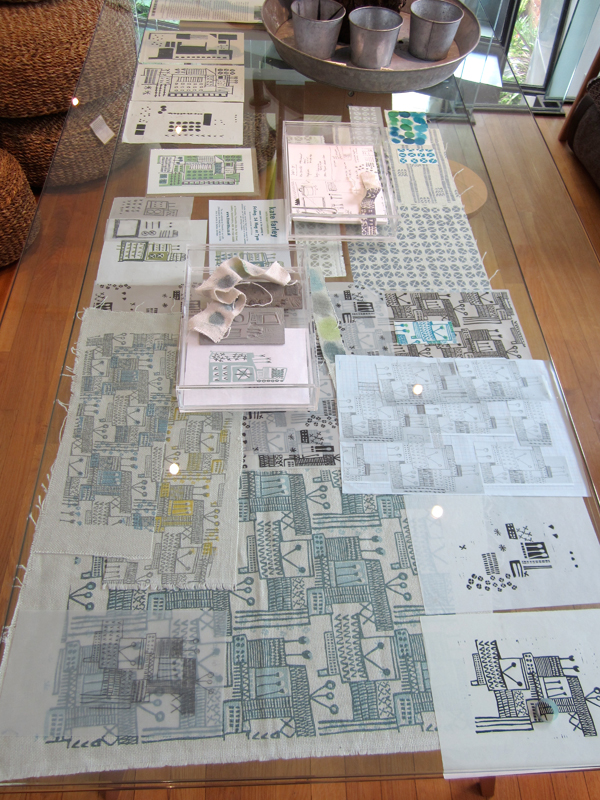
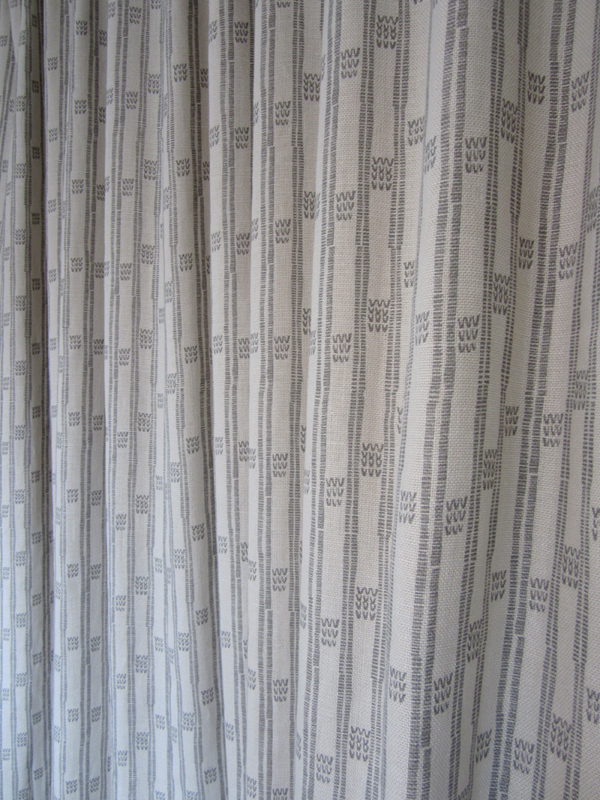
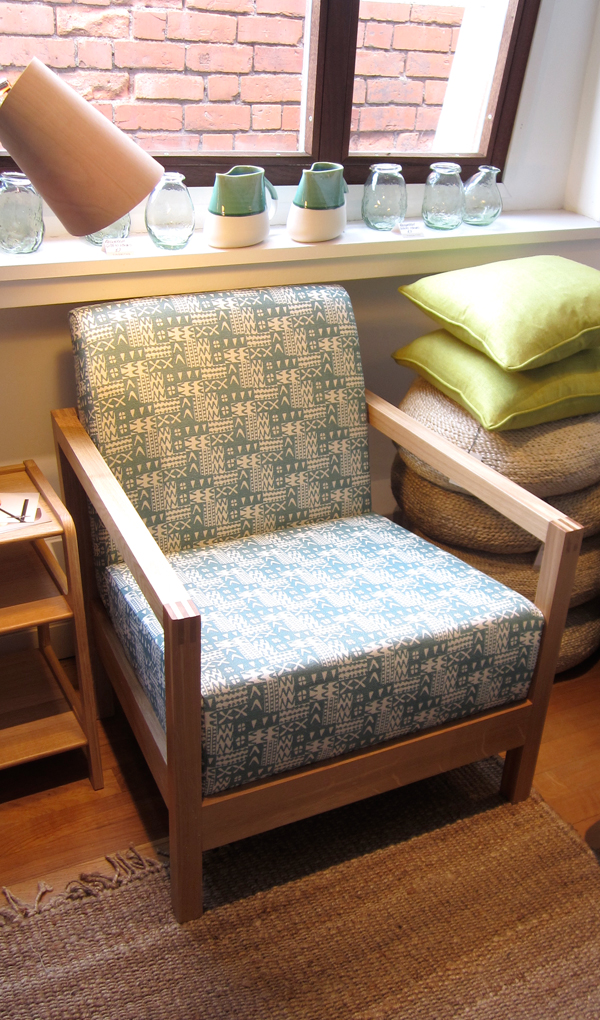
I have worked closely with Phoebe to translate my lino printed designs inspired by allotments, to become a collection of heavy weight linen, hand screen printed textiles available to buy as cushions. We have also created larger showroom pieces as curtains and upholstered chairs in preparation for selling some of the designs by the metre later in the year.

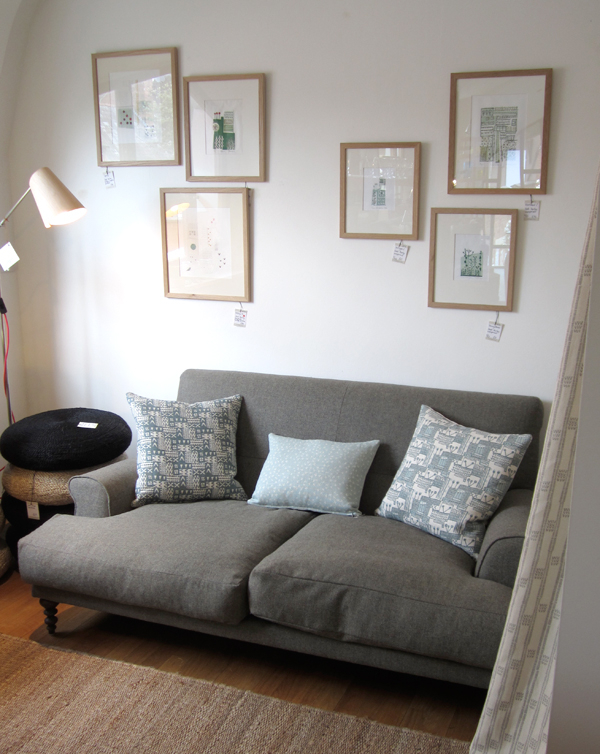
Phoebe and the team have styled my products throughout the top floor of the premises in such a way as to create a clean and fresh interior space, working with the other products and furniture pieces in the shop. My prints and drawings are set amongst other exciting colour statements in the form of ceramics & lighting with an understated aesthetic. With plenty of positive feedback at the PV as well as sales throughout the first week it’s a really exciting reward for the long journey to this point.

Tinsmithssofa_web

cushion2_tinsmiths_web

glassdisplayTinsmiths_web


cushionsTinsmiths1web curtain_tinsmiths_webchair_tinsmiths_web