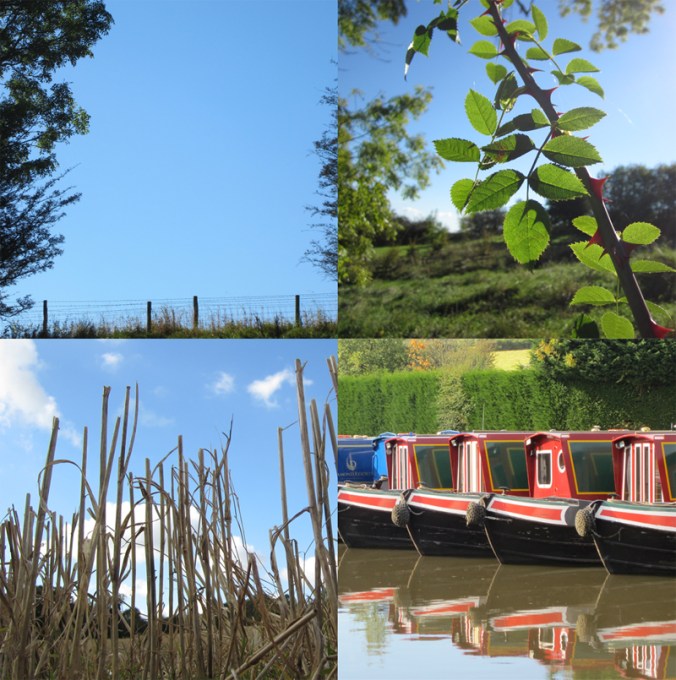
the end of one season and the start of the new.

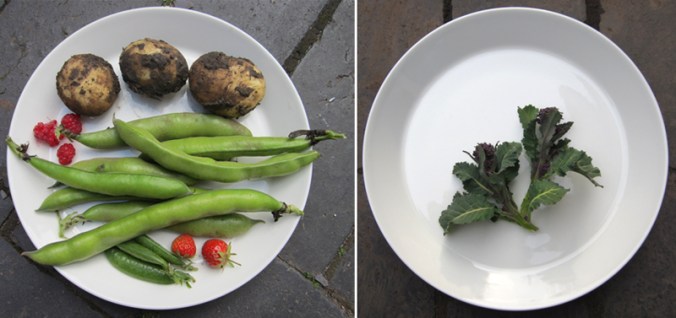
At the start of the harvest time last year I shared with you our first crops of the season. Today I cleared the brassicas that have been under attack from pigeons all winter – much to my distress, and planted in their place the potatoes for the coming year. It was a sign of handing over the baton to another year of potential, involving the weather, our effort, opportunities for head-space and the reward in what we get to eat.

Each year we start with a revised planting plan, more back ache, a new set of gloves and opportunities for me to draw and record the plants to provide further inspiration for my art and design work. As I have also spent the last few days designing, cutting and printing new lino blocks, the creative process of doing so reminds me very much of being a gardener; working with the elements and using knowledge, intuition, skill, time and desire to create something from small beginnings.

I remain positive about the growing season ahead, surely there cant be as many slugs and pigeons this year… can there? And as for cutting lino, I’m in it for the long haul.

plotplates_web

allotments2_web600

holding on to the details…

This photo was taken at Birmingham’s old science museum in its last days before demolition as I was carrying out research for subsequent commissions inspired by the site. It goes some way to sum up how things are in the studio at the moment with many lists and scraps of precious information as I am very busy with making new prints & promoting my upcoming show at Tinsmiths, Ledbury next month as well as coordinating suppliers and working on exciting new design work. All this in the break between Spring and Summer terms of my lecturing job…

staples_web

Design inspirations 1: horizon lines

For a while now I’ve been thinking about what has shaped my visual language and informed my art and design tastes. As a result I have planned a few blog entries in which I will evidence some of my thoughts in terms of influence and my art / design practice.

In some recent press interviews I’ve been asked about my inspiration and I tend to consider the formative years as pretty vital in this regard. It makes sense that we develop strong feelings and bonds to what we experience as children, either to reject them or embrace them – either way I believe those early years help to form our adult judgements.

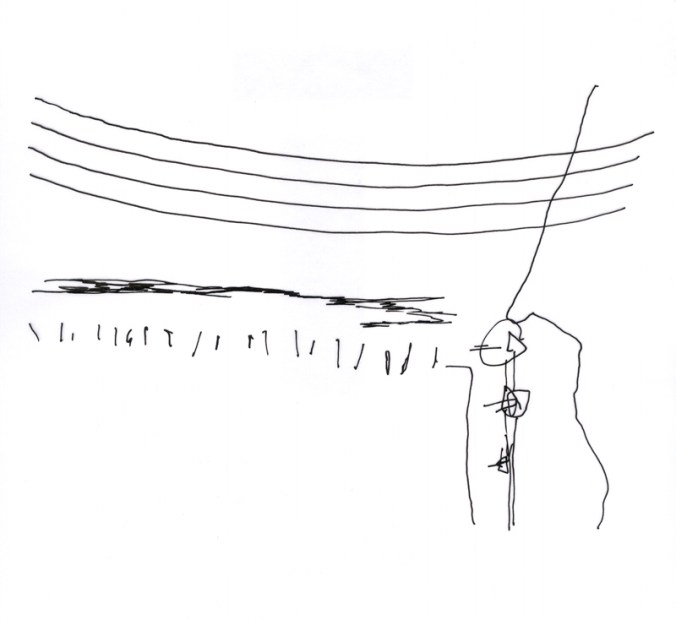
Looking beyond the windows of the house in rural Norfolk where I was brought up is what I consider one of the greatest inspirations to my work. The open fields, the clear horizon lines and sparse distractions across the farmland of Norfolk have stayed with me in relation to my way of seeing, composition and economy of information in much of my work. Why draw ten lines when I can say it with one? I had a particularly horrid visiting tutor in the beginning of my training who felt that I was lazy in my designing, when actually it was he who struggled with some of the simplicity I was aiming for.

Looking back over some of the works I have made in the last fifteen years there are a few key pieces that explain that relationship with the horizon.

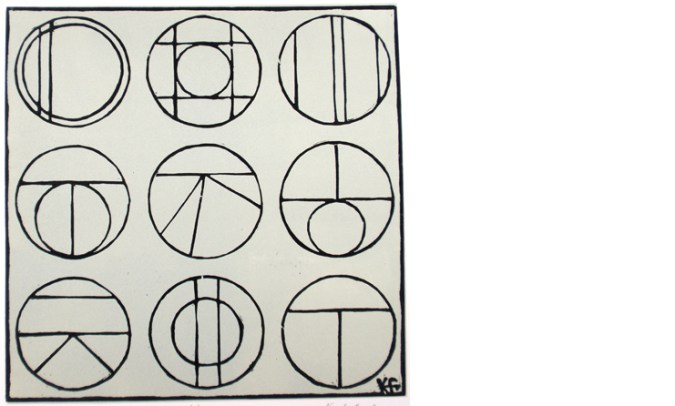
‘Nine Perspectives’, a linocut is made up of diagrams where I explore the land, sea and sky in a variety of ways. I consider the horizon in two-dimensional form, in plan view, elevations and diagrammatic perspectives in order to gain a sense of order.

9perspectives_web

‘Meadows (France)’ is a drawing of a beautifully simple valley near Gourdon. It gave me a perfect view to explore further skewed interpretations of perspectives seen in the landscape. I worked with a sense of the view working round a set square, with two horizons, as I looked in front and to the side of me.

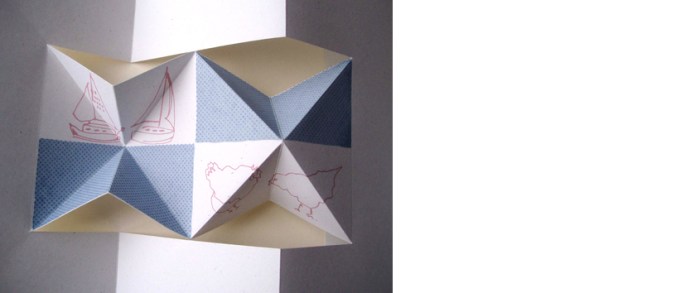
stgermain_webThe final image is from a screen printed artist’s book I made several years ago exploring the idea of ‘half full’ as a state of mind, but also from each side of the horizon line. I have used the blue areas as either half full of water (the Norfolk Broads specifically) or half full of sky above the chickens. The folded structure implies a view through the use of perspective, looking in to the distance or reflecting on oneself.

kf_half-full_web

These three works are very old as far as I’m concerned. I have new creative concerns now but they have helped me to test and explore principles in the way that I see and draw that have been important along the way.

lines in the snow

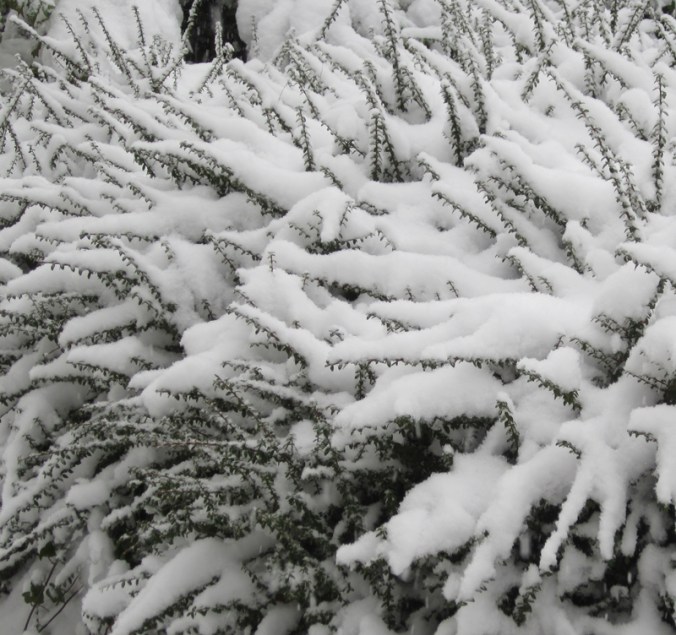
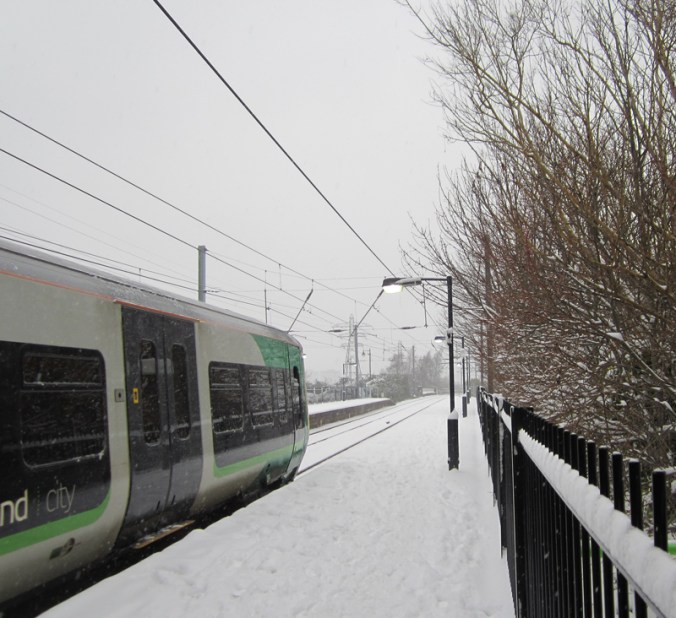
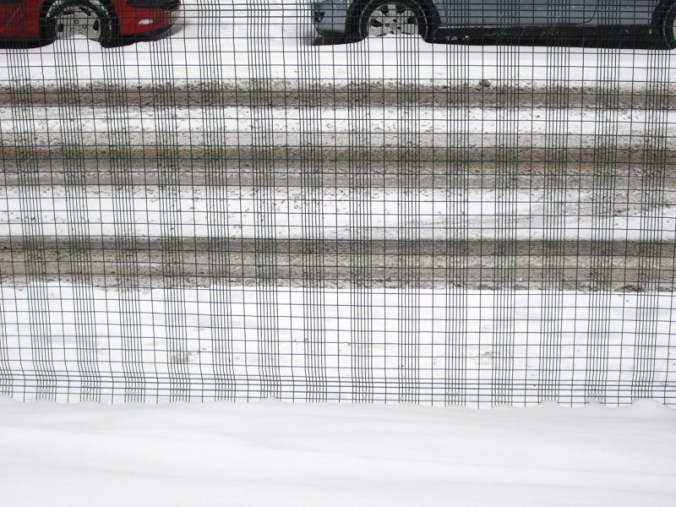
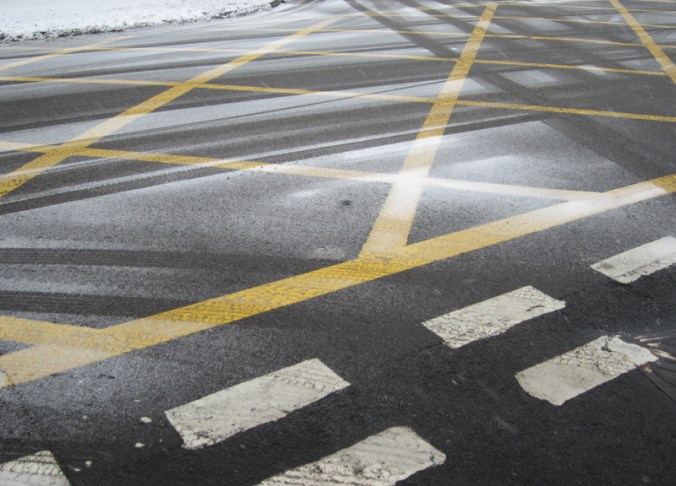
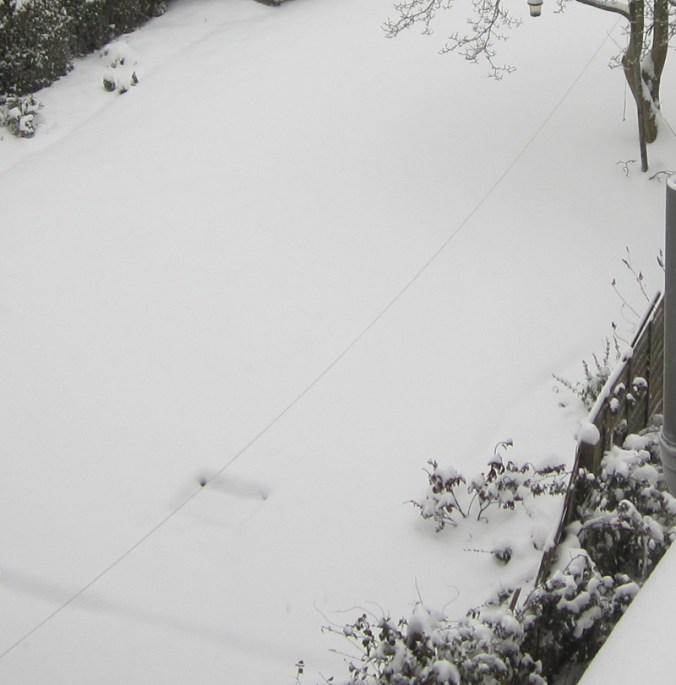
I took these photographs on my way home from Birmingham yesterday and like the way they show the different interpretations of lines and stripes in the snow I recorded. My last blog post was about colour, and so I like the fact that it is almost absent this time around. I’m sure there can be some design inspiration from these.

branchlines_snow
trainline_snowgrid_snowyellowlines_snow1washingline-snow

a colour survey of the plot

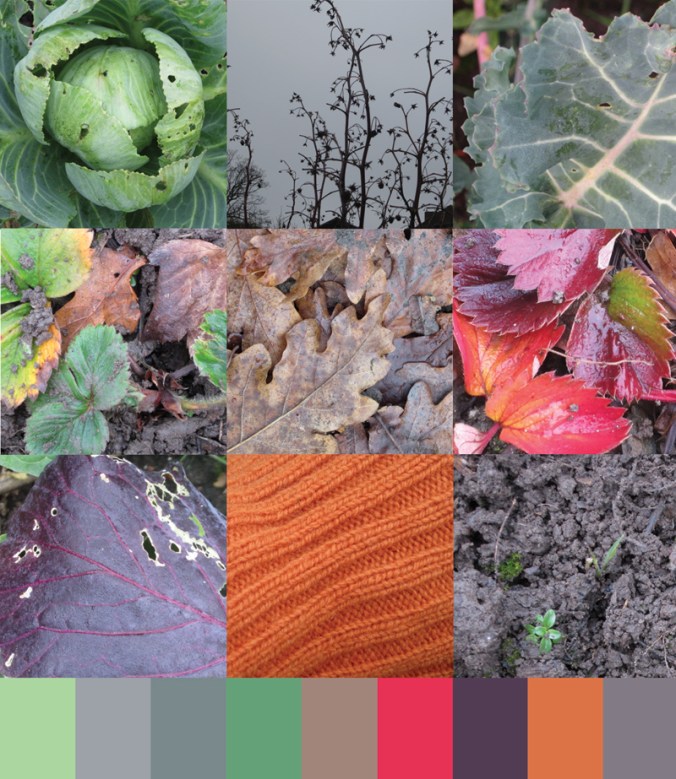
Today was my first plot visit of the year and I set about digging over the strawberry patch – an important job given the lousy harvest of last year. I also took time to survey the rather heartless cabbages we have managed to grow and this inspired me to record the beautiful colours of the season from all round the plot. This reminded me of my Autumn survey some months ago, recorded on this blog. No doubt these colours will inspire my drawings and prints of the year to come. Sadly I didn’t get a picture of the robin who hopped about glad of the worms I uncovered but he made me smile all the same.

firstplotvisit2013

drawing anywhere and everywhere

The last few weeks have been rather busy so I close the year with a brief blog entry which will lead on to a new post in the new year about how we draw what we see… I’m still working it out in my mind but watch this space!

In the meantime I will share with you a drawing made by my daughter this summer, then four years old, of a lady. She made this while on the beach at Cromer, Norfolk. I love the way she started to build up a patterned dress using pebbles and placing sea weed for hair. I hope she never loses her love of drawing – she is a great source of inspiration to my design work and also in my teaching of design.

sandgirl_2012

form and function of forks

It has transpired that I have accidentally started to collect forks of the dining variety. Having grown up with the beautiful three-pronged Focus flatware designed by Folke Arstrom for Gense, Sweden, and considering that as perfectly normal I have, as far as I remember been interested in cutlery. I am the proud owner of Arne Jacobsen cutlery and our everyday utensils are ‘cafe’ by David Mellor.

Café Stainless Steel

Arne Jacobsen image from: royaldesign.co.uk  David Mellor image from: davidmellordesign.com

Why are some so awkward to use, and why are others a complete joy? I have been discussing this with my textile design students in relation to the principles of Form and Function in design. Before I know it I have rounded up many forks to illustrate my point and I feel rather proud. This collection is underway and its got me keeping my eyes open for new pieces to find. I am particularly keen on the ‘disposable’ not-for-ever kind, and here’s some examples to show you how exciting things are getting!

Autumn rhythms

A stunning Autumn day today, warm out of the wind & bright enough for sunglasses, it gave us the excuse to escape to the countryside south of Birmingham to play in the fields. Having taken photographs of the outing and having been thinking about my explanation of visual rhythms to some textile design students last week I thought I’d create a piece with that in mind.

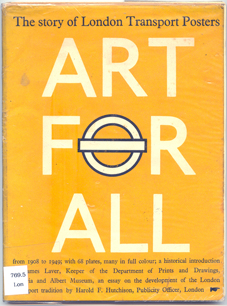
Art for all – good design for all

My design ethos is one of quality and appropriateness for the place. Good design should be all around us, big and small, the dot on the i, the cushion on the sofa, the roof on the building – no excuses. Why settle for second best, why copy others if you can be original? It is so sad to read of big companies risking reputations, not buying the best but producing poor quality copies – stealing designs. My students tolerate my monologues on the subject!

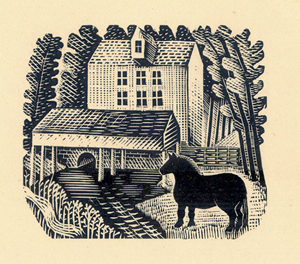
This blog entry celebrates some examples of quality design – because that’s what we should all aim for when making but also when buying. I have come across a great book called ‘Art for All’, telling the story of London Transport Posters. The book has black and white reproductions as well as colour, but the real charm is in the illustrations from original engravings of birds by Clare Leighton, printed in a salmon pink, as well as illustrations by Eric Ravilious (see below).

Image

Image Image

(Art for All – London Transport Posters 1908 – 1949, Art and Technics Ltd. London, 1949)

The quality of design in these images is inspiring, with a great sense of detail without being fussy, and such skill in creating these images in only one colour while containing so much information of texture and pattern. I admire these artists but also the people who commissioned the pieces and enabled these images to be ‘Art for All’. As an aside, Both Leighton and Ravilious produced stunning designs for Wedgwood too.

It makes me think of my own practice and how I generate imagery using drawing and printmaking to create the visual language. Yes, the computer plays a large part in ‘tweaking’ for final output / reproduction these days but it’s the marks and textures, the print quality, a smudge of graphite, that cannot be created by computer. It might be quicker creating the whole image on the computer but it wont be as good as I want it to be. Having said that, it is also the creative process of working out, testing and feeling the work resolve on paper that I most enjoy. Was the design process meant to be easy? Its the struggle and questioning that keeps me doing what I do – I’m enjoying the journey. When so much time as part of having a design practice can be spent on the computer it is important to remember to turn it off and walk away to DO the creative things…and to get better at it…

sharing the design process of Plot to Plate

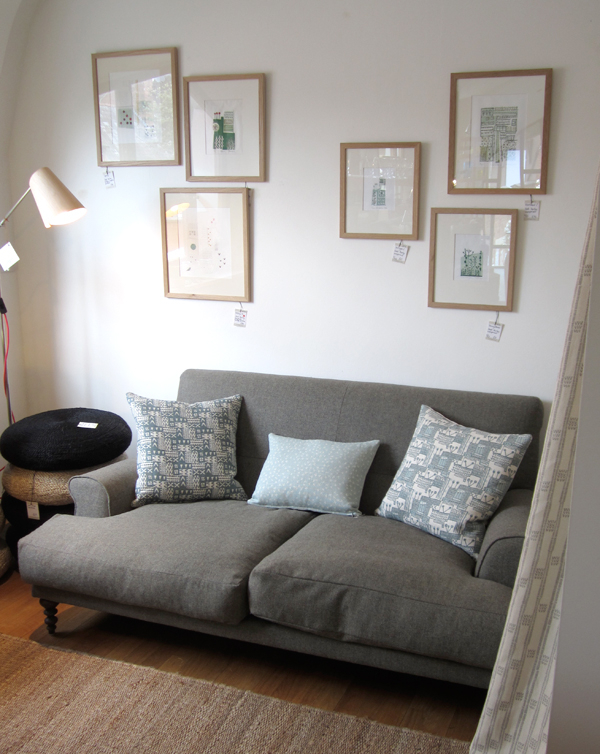
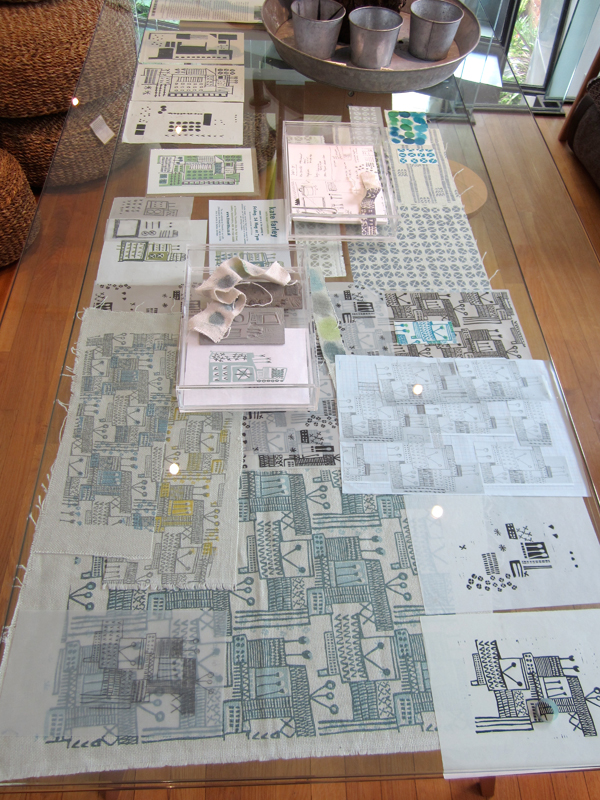
Given that I am about to take my Plot to Plate collection of designs to Top Drawer this weekend I thought people might be interested in the design journey of ideas that result in such a collection of pattern.

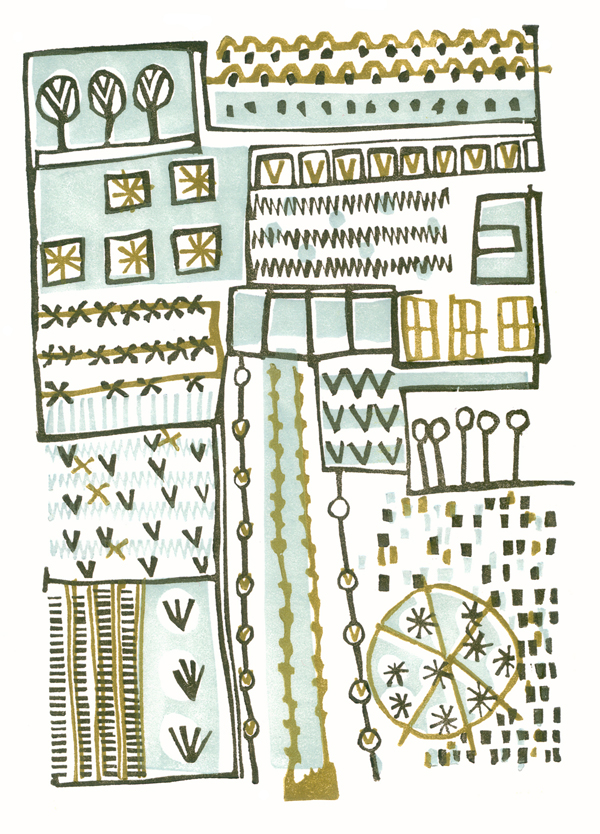
My ideas tend to belong as series of thoughts that I explore in a number of drawings over months, and sometimes years. I challenge myself to explore many ways to represent the same things, often resulting in simplified motifs, some would say scribbles. Drawings are often in rather utilitarian handmade sketchbooks that are not precious so there is no fear of the white blank page before I start. Sometime, in fact quite often, I draw while walking, and trying not to look conspicuous or weird as I track my way round a National Trust kitchen garden, almost creating a diagram, literally a planting plan as I go. Sometimes I make notes in my drawings, of colours, names of plants from the labels in the ground, or note references to research at a later date.

The titles of some of my designs are: xvo, xo, xxvv and these come from the shorthand I created in order to document gardens and allotments as I paced.


In the studio, and for sometime after I dwell, I study, I revisit the motifs, rhythms and compositions I gathered, I redraw, formalise and create new pieces, as one-off drawings in series to exhibit and sell. Some compositions lend themselves to self-contained lino prints or screenprints and so I spend time developing the designs, cutting the plates, and enjoying the process of editioning. I could never imagine getting bored (my edition sizes are small!) of lifting the paper from an inked block, each time to discover the image. So low-tech, yet engaging.

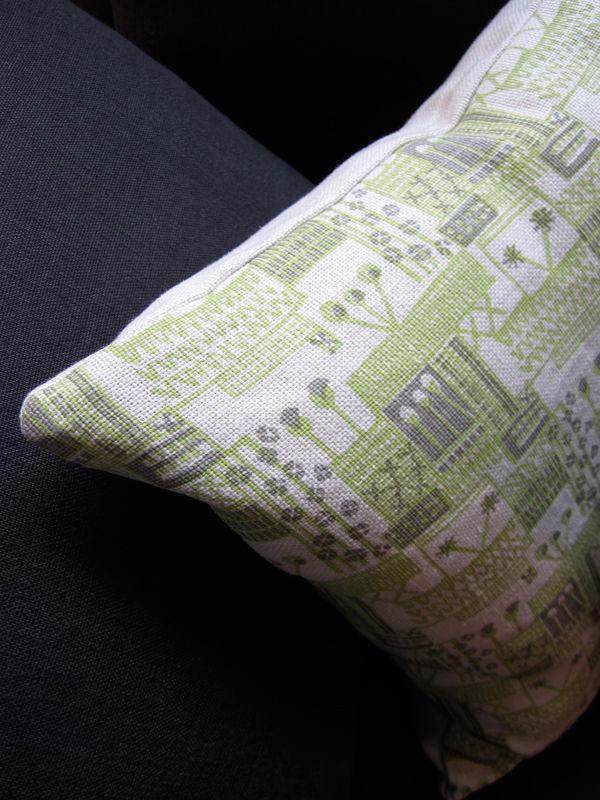
At this point I notice elements that can be scanned in and reworked in Photoshop or Illustrator software to create repeat designs and colourways for further potential – and this is how I created the design collection of ‘Plot to Plate’.

The Plot to Plate signature design of garden, kitchen and dining tools also came from my playing with the dog-tooth check as a classic rhythm, and my keen interest in telling a story as a visual narrative. Pattern can of course be pretty, but I enjoy the challenge of asking it to communicate something beyond itself. In this instance my drawings were made directly for this purpose and I translated them for screen.

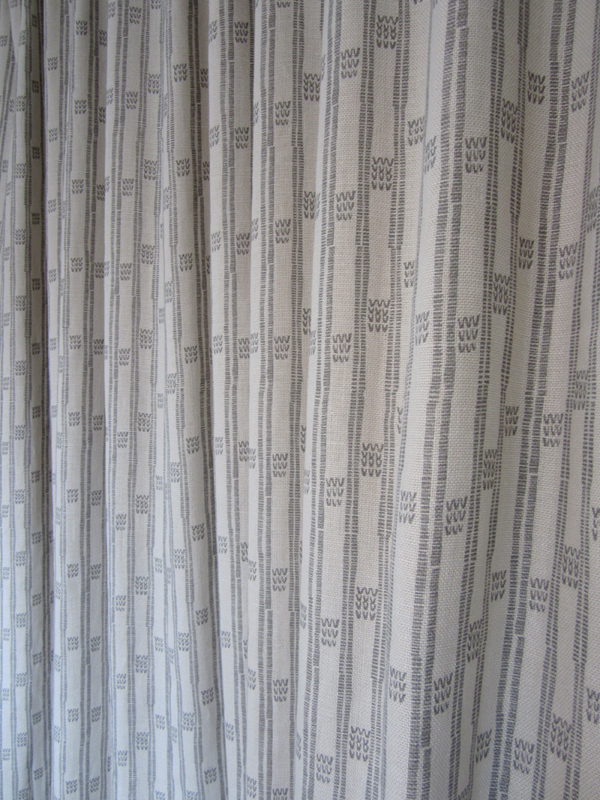
I hope the images explain the fun I have had, and the pride that I feel in this collection.


More examples of prints and drawings can be found on my website gallery pages

www.katefarley.co.uk

Save