pattern and textiles spotting

A weekend walk in the search of headspace following a busy week in academia led me to the Suffolk coast and a beautiful 13km walk, down and back, along the beach. Always with an eye on the hunt for pattern, colour and cloth I found all three, relating to the topics of my teaching. Of course I also had a handful of stones and other ‘precious’ detritus.

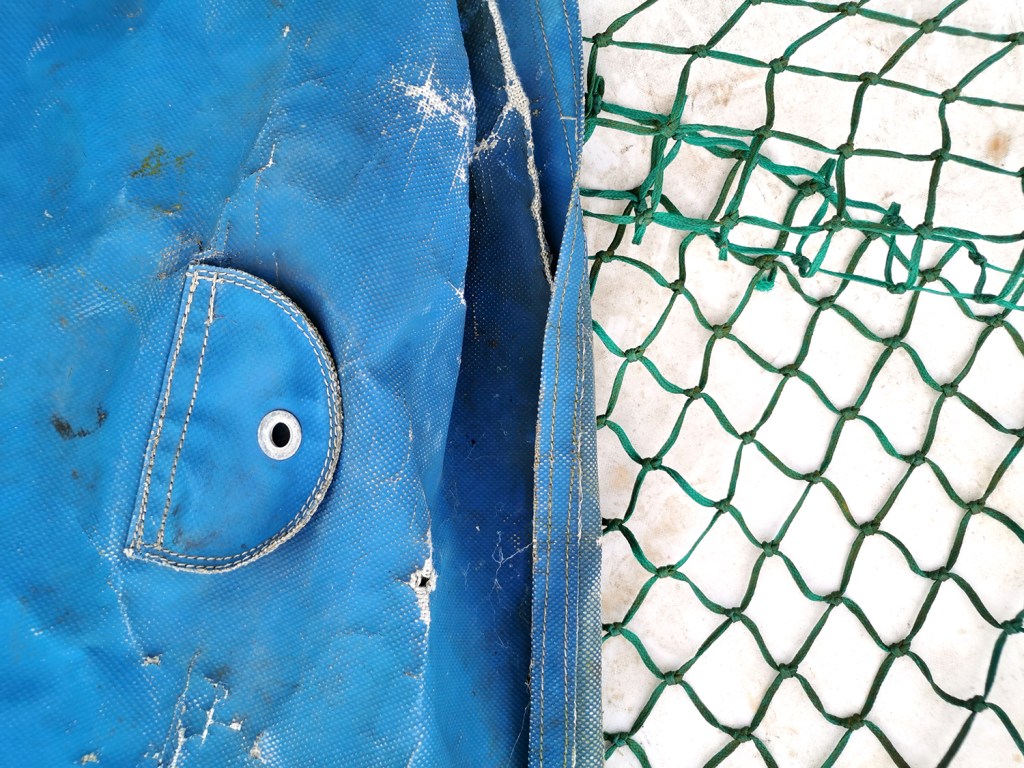
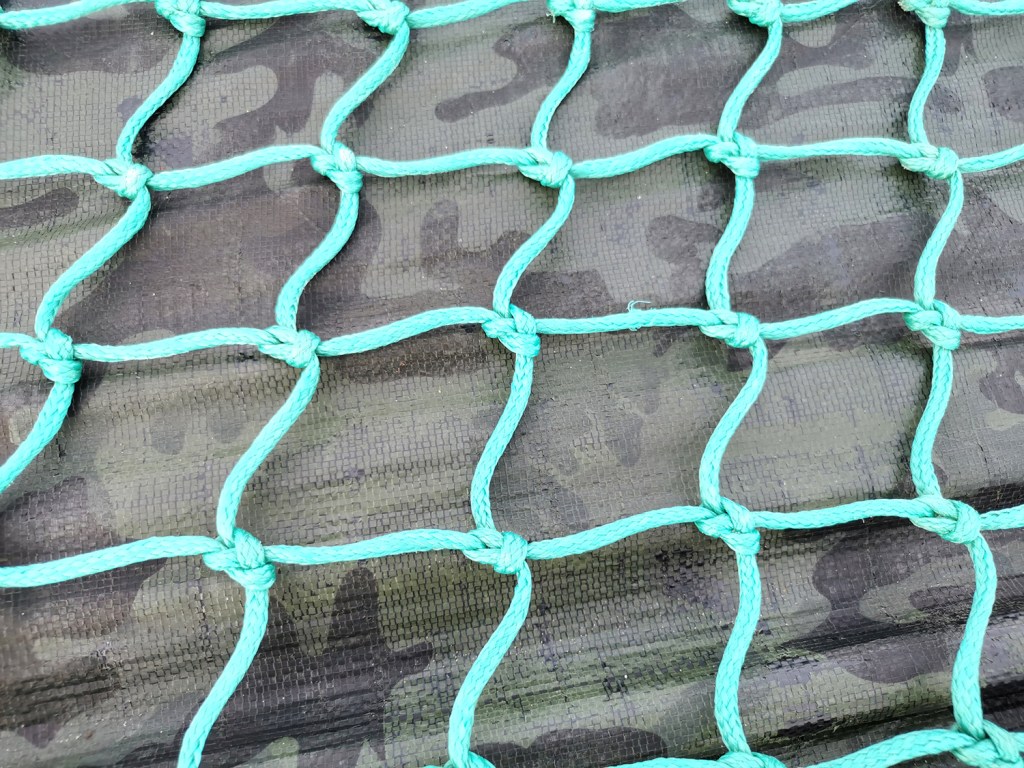
Having spent the week talking textiles, including pattern structures and repeating designs I was amused to connect the patterns on the beach made from the waves running back across the sand being echoed in the fishing nets on the boats higher up the beach.

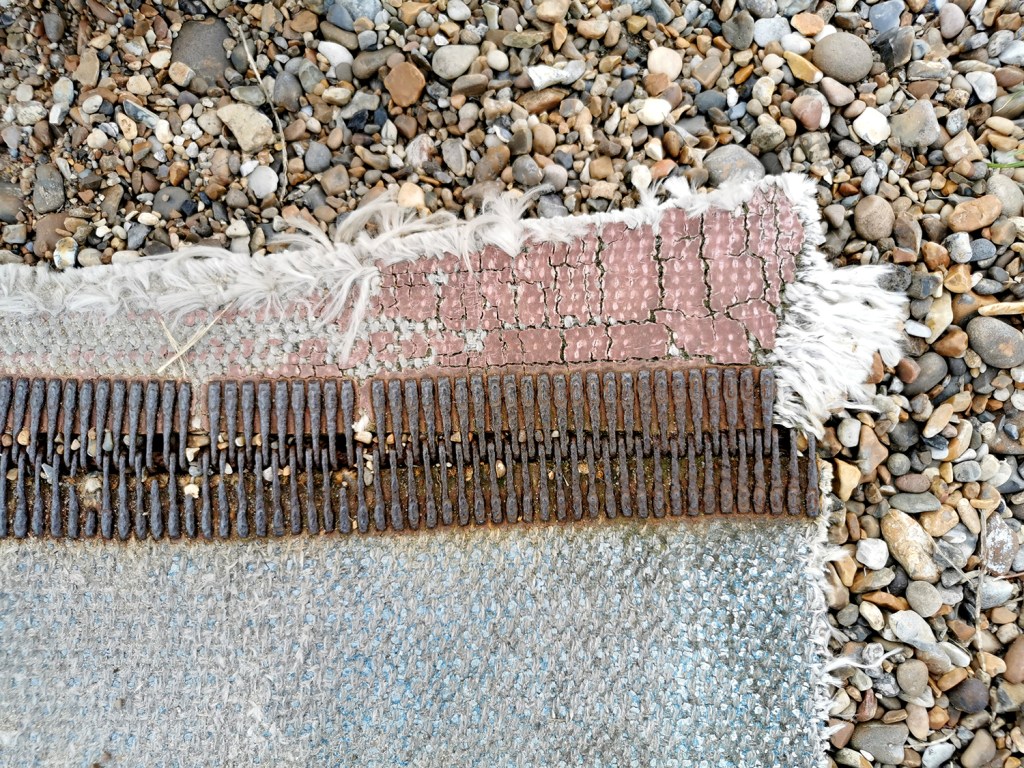
I have also been discussing with the students the broad application of textiles in the everyday world around us beyond fashion and interior applications and our walk gave me good examples to illustrate my point. We use traditional textile techniques including knitting, crochet, printing or weaving, with the addition of a coating or finish to create materials for practical applications.
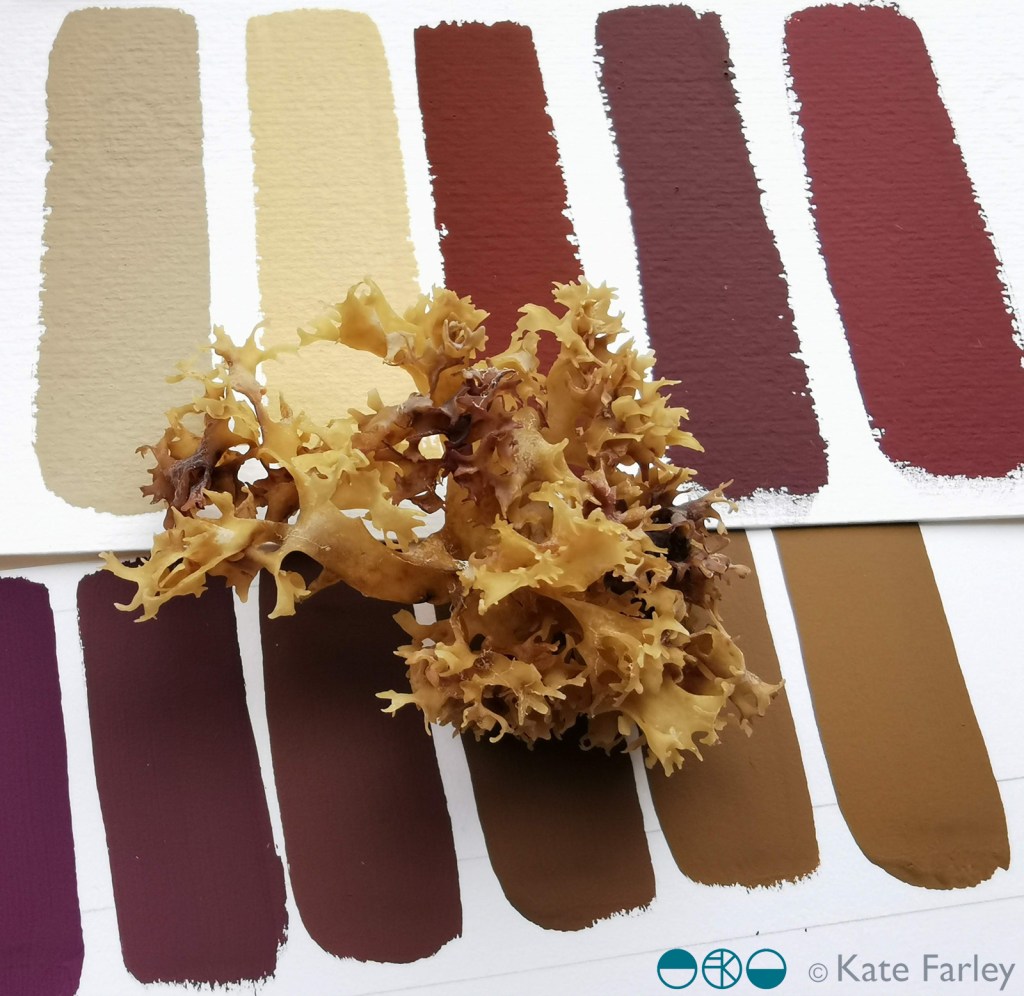
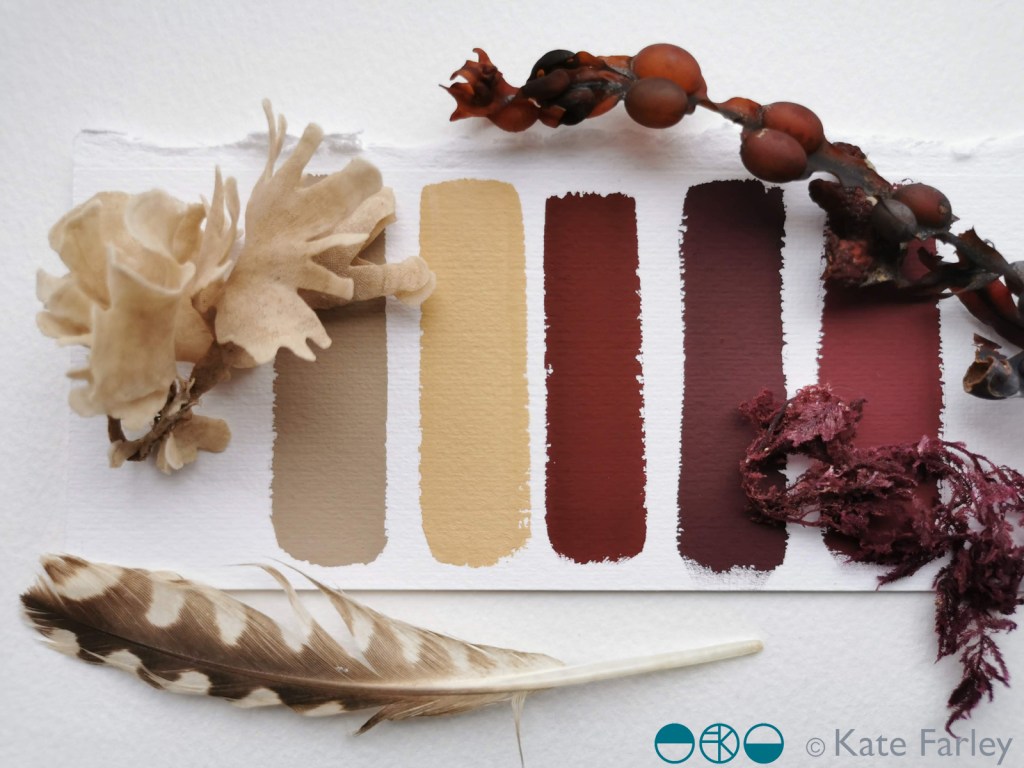
mixing and matching colour from the beach

I’ve been continuing my colour mixing series, this time taking inspiration from the beach and the artefacts I gathered. The gouache works wonderfully to capture the colour, responding to small specks of added colour as I take the starting colour on a journey to and past the colours of the item I am studying.

Some new drawings are taking shape that use these colour chips and I am excited about where they are going – one day I’ll share them. In the meantime I hope you enjoy the colour of the beach of north Norfolk.

pebble pattern collection

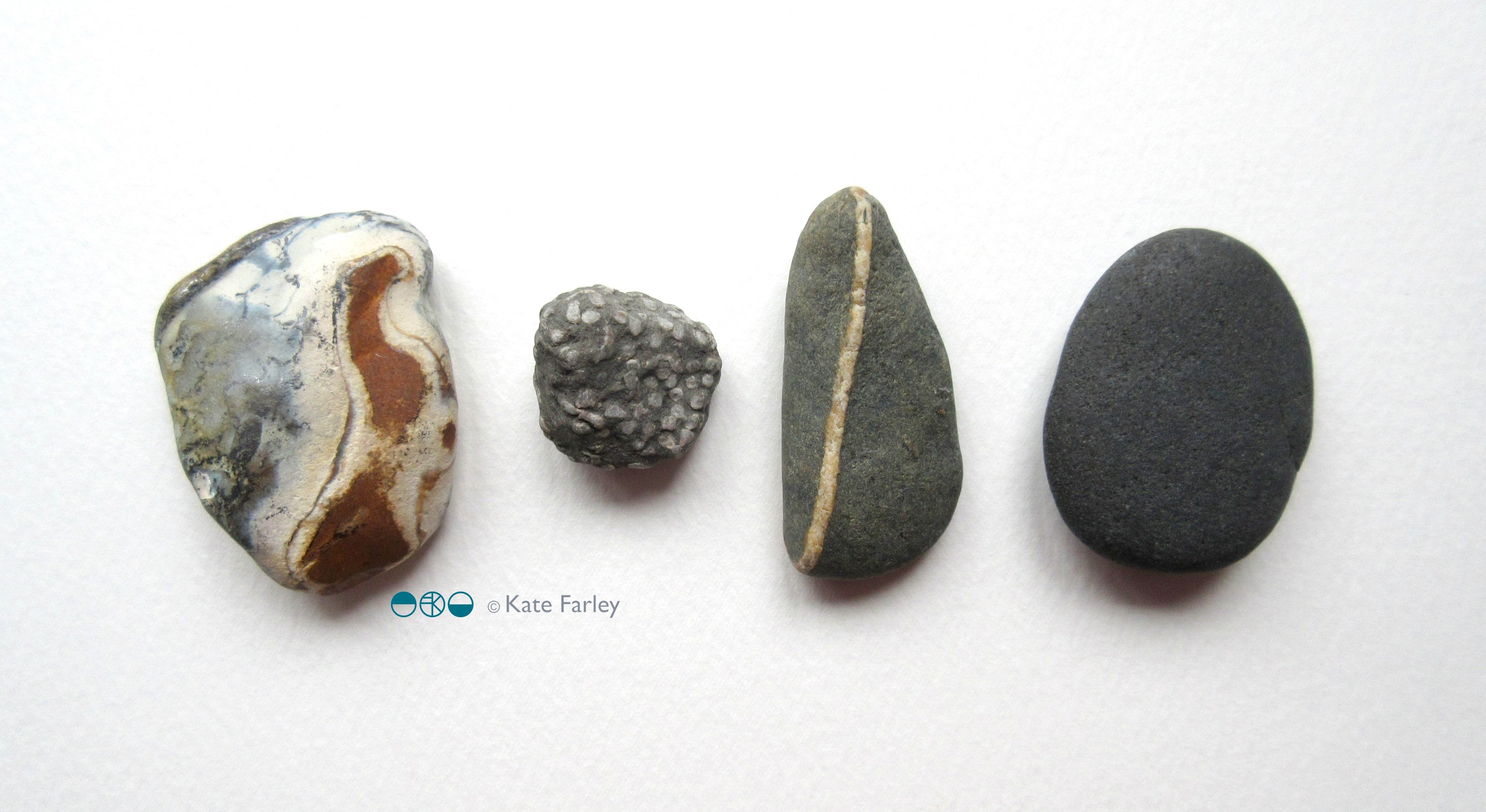
I know I’m not alone in having collections of stones, gathered from walks and adventures over the years. Heads down across the beach, we search for beauty in the lines, colours and patterns of pebbles. We look for skimmers, ones with holes, and stripy ones…

I was looking at some of the stones that are in my studio and realised I had the components of a traditional textile design collection. The key pattern structures often include an all-over design, a spot repeat, a stripe and a plain (from left to right in the image below). I had fun sorting the stones to find the most straightforward ‘collection’.

stonecollection

the patterns of 2014

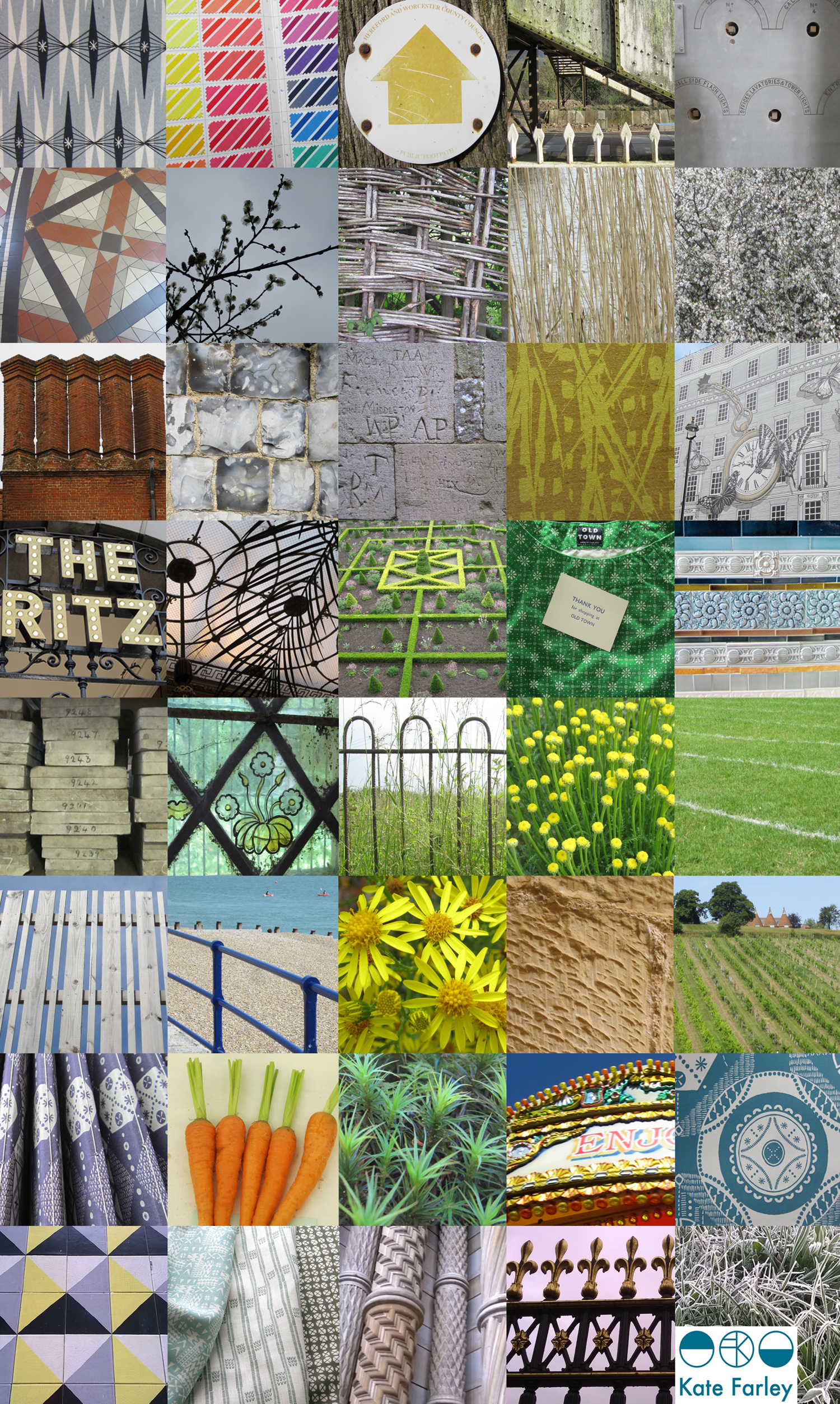
It’s been one of the years I shall remember as particularly busy, continuing to juggle the commitments of family life, my roles as artist, designer, lecturer and of course allotmenteer, and the small matter of a big Birthday. All the time spent doing any one of those things provided opportunities to spy inspiration, food for thought and visual stimuli for me so having looked back over the last twelve months I have enjoyed creating a record of the patterns I’ve seen. The record includes family holidays, research trips, and days out; from the school sports day track, Birthday celebrations, to the rivets in the railway bridge, the stately home and the walk to work, it’s a record of some of what I saw in 2014.

Key themes appear: geometry, stripes and railings and although in a chronological order, there are some great pairings in terms of colours, textures and pattern.

2014tiles_blog

Plot to Plate archaeology

When I was a small child there was a time when I wanted to be an archaeologist. Having been lucky enough to have visited several Greek archaeological sites and been inspired by the possible finds underground I was convinced I had the patience and where-with-all to try. That particular career plan didn’t last long but something of the magic of unearthing lost treasures, and working through the soil of past generations has most certainly been re-awakened through my adult years of gardening – and beach-combing come to think of it!

Over the last few years I’ve represented this process of working with the soil and bearing witness to nature’s materials in many drawings and prints, working to represent layers of gardening, as if strata of dinner preparations. I like the continuum of being a gardener, as the current occupier and protector of a long line of gardeners, each winning and losing the battles of nature and harvests for generations.

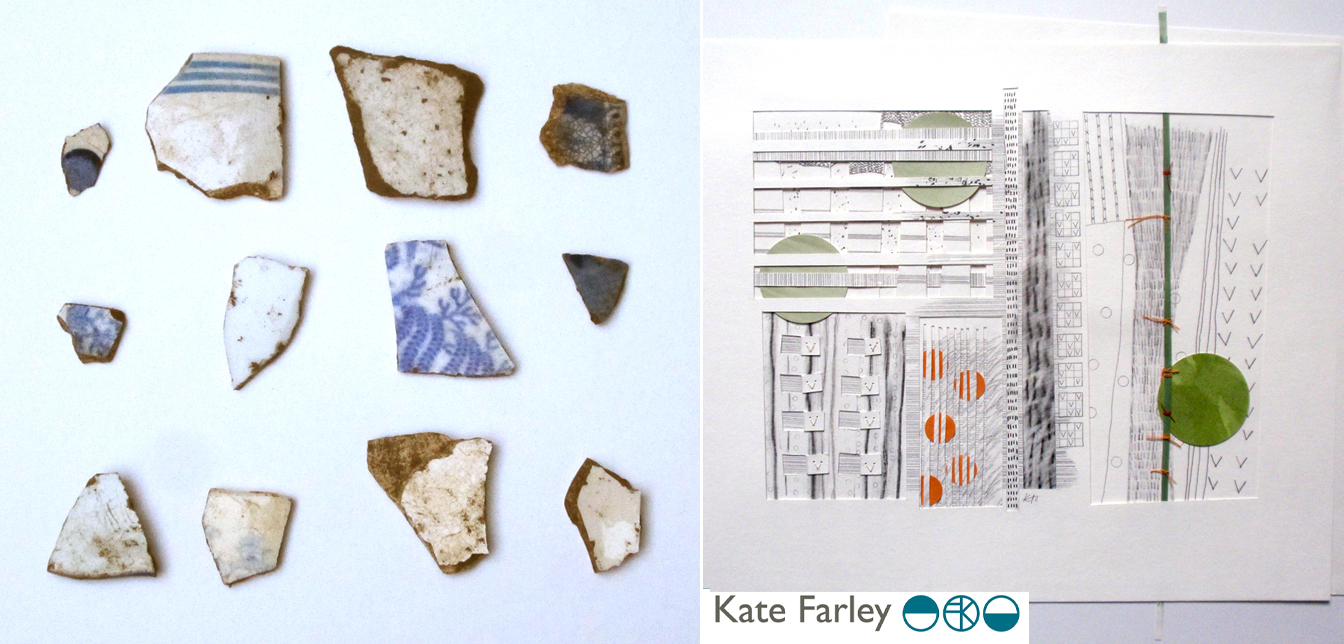
As I have dug the plot for nearly a decade I’ve discovered many broken bits of pottery, and some I’ve kept and others I’ve turned back to the earth to be found again at a different time. With no rationale to what I have kept but having created little gatherings; pieces turned out from my gardening trouser pockets, I have realised I’ve started another collection. (check out www.obsessionistas.co.uk for two more of my collections)

I like to see the different surfaces, the whites, the blues, and the hints of familiar patterns. Why do people plant their broken plates? It’s certainly a different narrative to my Plot to Plate collection…

KFarleyplotPotsdrawing100ahttp://www.katefarley.co.uk


Norfolk lines

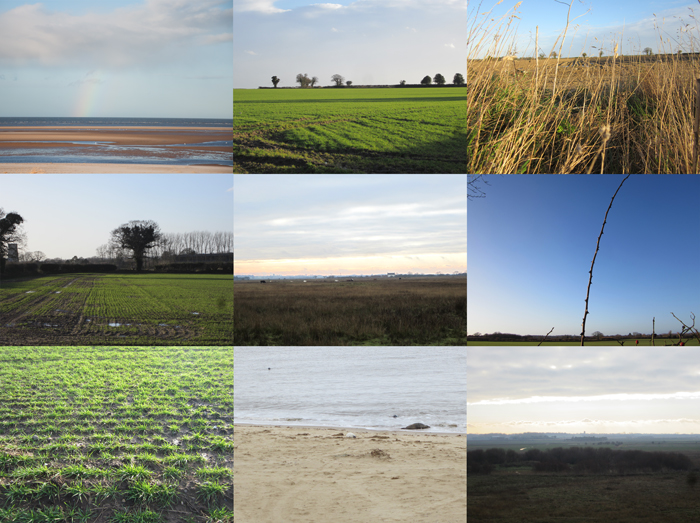
I’m naturally biased when it comes to the Norfolk landscape but seeing as it has shaped my aesthetic, colour preferences and my approach to drawing I am happy to consider it to be inspirational. I don’t spend enough of my time in Norfolk these days but every time I visit I take deep breaths, and big eye-fulls of the vast expanse of open landscape, the ever-changing light qualities and the endless colours of the land, sea and sky. Here’s a medley of Norfolk from this Christmas including sights of seals at Horsey Gap, a rainbow & the beach at Wells-next-the-Sea, and fields near Cawston and Alysham.

Norfolklines_web

drawing anywhere and everywhere

The last few weeks have been rather busy so I close the year with a brief blog entry which will lead on to a new post in the new year about how we draw what we see… I’m still working it out in my mind but watch this space!

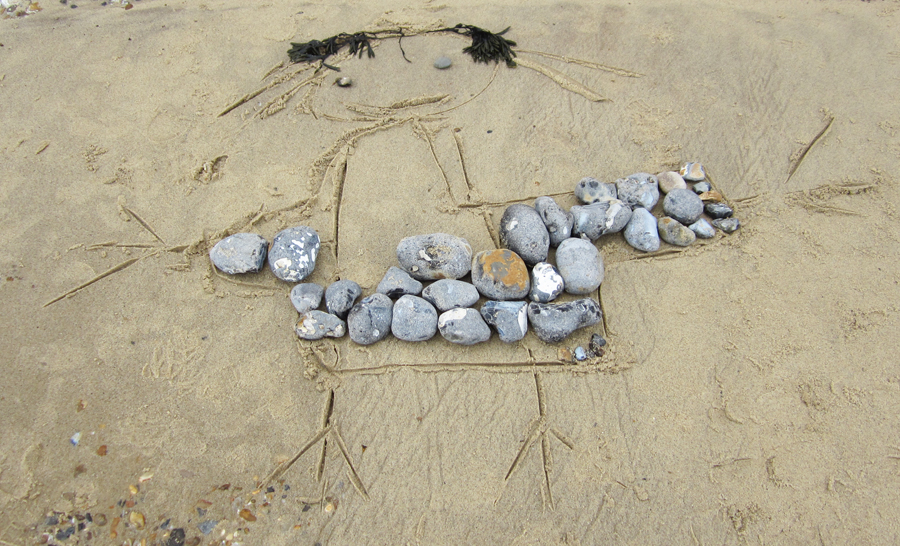
In the meantime I will share with you a drawing made by my daughter this summer, then four years old, of a lady. She made this while on the beach at Cromer, Norfolk. I love the way she started to build up a patterned dress using pebbles and placing sea weed for hair. I hope she never loses her love of drawing – she is a great source of inspiration to my design work and also in my teaching of design.

sandgirl_2012