the colours of 2014

Back in 2012 I started a colour project on Twitter, using Pantone references ( @pantone ) that represent particular colours of the season, place or activity of the day alongside photographs that I have taken. The words relate to the language of colour, seasons and the activities so often word-play is used, particularly in relation to Coated, Uncoated or Process, as used in the Pantone system of colour. Having kept this going for over two years I decided to look back to see the colour swatches of 2014, a record of colour of my year, having recorded pattern of 2014 in my previous post. In chronological order under the swatches are the Tweets to tell you about the images, they read from top L to R, along each row ending with the hyacinth, bottom R.

From this point on we can look forward to 2015…. Happy New Year…

KFarley_colourof2014

Kate Farley @katefarleyprint  ·  Jan 27

ORANGES! A new breakfast treat, from @pantone180 solid to process = marmalade

Kate Farley @katefarleyprint  ·  Feb 12

Brilliant @pantone Red DS 75-1Uncoated; a gig of captured whispers & exploding electric noise @annacalvi Outstanding!

Kate Farley @katefarleyprint  ·  Mar 2

Yesterday: @pantone DS 290-1 Coated, sights of fresh green but otherwise muddy underfoot – Spring has sprung

Kate Farley @katefarleyprint  ·  Mar 9

Crocus delights: @pantone process, heading home, 49-1Uncoated, Spring sun

Kate Farley @katefarleyprint  ·  Mar 15

Malvern moss green @pantone DS 312-1U = process walking & uncoated. A beautiful spring day #Herefordshire

Kate Farley @katefarleyprint  ·  Mar 29

Spring green @pantone 389 Uncoated, on the eve of BST. Euphorbia at its best!

Kate Farley @katefarleyprint  ·  Apr 11

Bored of blossom? Beautiful @pantone 684 PC – Solid optimism to Process – the Spring growing season.

Kate Farley @katefarleyprint  ·  May 21

Okay so it’s not #RHSChelsea but stunning @pantone 806 Solid pink Uncoated. Sadly rain due to spoil it tonight!

Kate Farley @katefarleyprint  ·  Jun 27

A lot of @pantone 207 PC with @tiborreich on behalf of @textilesBCU Every colour under the sun and rain. #textiles

Kate Farley @katefarleyprint  ·  Jul 10

Today = A sunny @pantone yellow 604 Uncoated and optimistic on all fronts! #colour

Kate Farley @katefarleyprint  ·  Jul 21

A stunning yellow @pantone 386 Uncoated, hot & with plants growing in the wrong place across the plot. #weeds

Kate Farley @katefarleyprint  ·  Jul 25

A stunning, loud and proud @pantone Red hot 032 Uncoated and attracting the insects today. #dahlia #colour

Kate Farley @katefarleyprint  ·  Aug 1

RED! Harvest time with these @pantone 200 Coated at the moment crab apples, soon to become jelly! #colour #harvest

Kate Farley @katefarleyprint  ·  Aug 11

Pink @pantone 679 Uncoated, wild and fresh from #Dartmoor #heather #colour

Kate Farley @katefarleyprint  ·  Sep 3

Blooming special rose @pantone 7417 Uncoated & without an umbrella – let’s hope for no rain! #colour #rose #weather

Kate Farley @katefarleyprint  ·  Sep 8

A stunning @pantone 611 Solid Process flower but I’m waiting for the squash! #colour #PlottoPlate #runningoutoftime

Kate Farley @katefarleyprint  ·  Oct 6

It was sunny yesterday, Uncoated with @pantone orange 021 nasturtiums. #colour #autumn #allotment

Kate Farley @katefarleyprint  ·  Oct 20

Happy to receive @pantone Coated 201 red windfall apples from the allotment at the weekend. #harvest #sharing

Kate Farley @katefarleyprint  ·  Dec 7

A stunning @pantone Solid 158 watching me dig at the plot today, Coated of course #colour #allotment #digging #robin

Kate Farley @katefarleyprint  ·  Dec 30

Blooming! We are enjoying the seasonal @pantone 226 Uncoated and indoors #hyacinth

the patterns of 2014

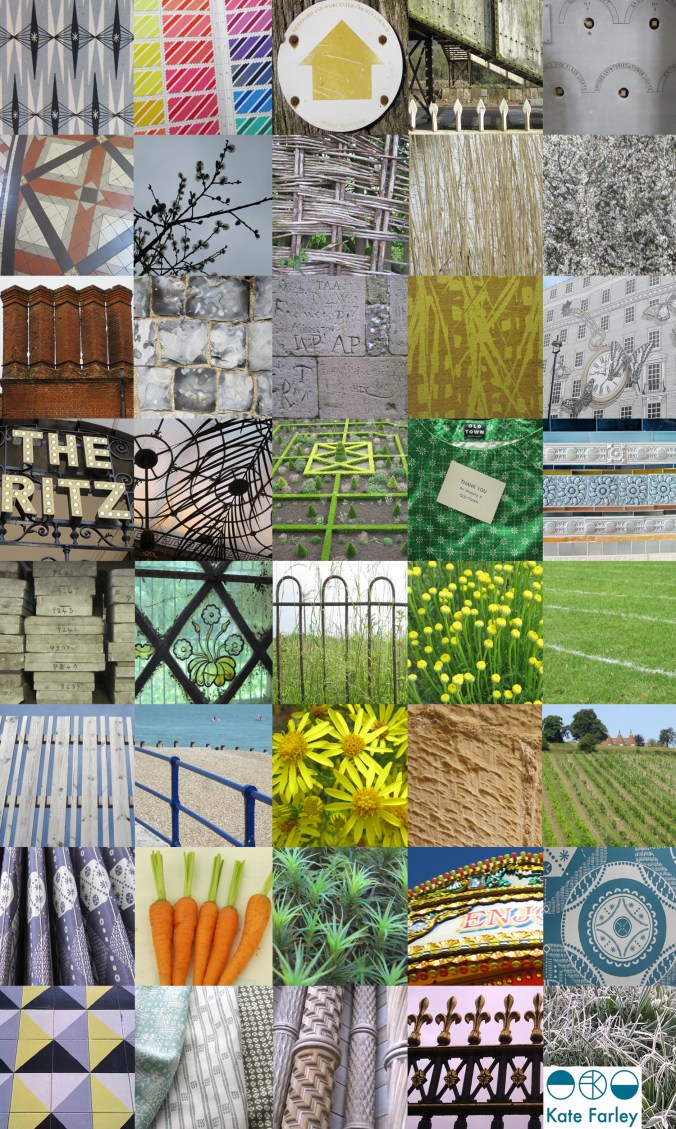
It’s been one of the years I shall remember as particularly busy, continuing to juggle the commitments of family life, my roles as artist, designer, lecturer and of course allotmenteer, and the small matter of a big Birthday. All the time spent doing any one of those things provided opportunities to spy inspiration, food for thought and visual stimuli for me so having looked back over the last twelve months I have enjoyed creating a record of the patterns I’ve seen. The record includes family holidays, research trips, and days out; from the school sports day track, Birthday celebrations, to the rivets in the railway bridge, the stately home and the walk to work, it’s a record of some of what I saw in 2014.

Key themes appear: geometry, stripes and railings and although in a chronological order, there are some great pairings in terms of colours, textures and pattern.

2014tiles_blog

Plot to Plate archaeology

When I was a small child there was a time when I wanted to be an archaeologist. Having been lucky enough to have visited several Greek archaeological sites and been inspired by the possible finds underground I was convinced I had the patience and where-with-all to try. That particular career plan didn’t last long but something of the magic of unearthing lost treasures, and working through the soil of past generations has most certainly been re-awakened through my adult years of gardening – and beach-combing come to think of it!

Over the last few years I’ve represented this process of working with the soil and bearing witness to nature’s materials in many drawings and prints, working to represent layers of gardening, as if strata of dinner preparations. I like the continuum of being a gardener, as the current occupier and protector of a long line of gardeners, each winning and losing the battles of nature and harvests for generations.

As I have dug the plot for nearly a decade I’ve discovered many broken bits of pottery, and some I’ve kept and others I’ve turned back to the earth to be found again at a different time. With no rationale to what I have kept but having created little gatherings; pieces turned out from my gardening trouser pockets, I have realised I’ve started another collection. (check out www.obsessionistas.co.uk for two more of my collections)

I like to see the different surfaces, the whites, the blues, and the hints of familiar patterns. Why do people plant their broken plates? It’s certainly a different narrative to my Plot to Plate collection…

KFarleyplotPotsdrawing100ahttp://www.katefarley.co.uk


Pattern design, outdoors and in…

If you are a regular reader of this blog you will already know that for the last few years my personal design practice has been inspired by garden design, and most specifically allotments and kitchen gardens in my ‘Plot to Plate‘ collection, launched in 2012. I have spent many hours walking, almost patrolling, up and down rows of National Trust cabbages and onions, armed with my sketchbook, annotating the patterns, translating them to motifs, documenting the small irregularities, the planting plans, the labeling – fruit and vegetables up and down the country, as well as our allotment, plot 8 in Birmingham. Upton, Packwood, Baddesley Clinton, Blickling, Felbrigg, to name a few National Trust gardens I have surveyed and taken inspiration from. Hanbury is my current favourite garden and I have been working on a number of patterns inspired by this property that will one day be complete, to launch at Tent London this September.

It is with this in mind that I write my thoughts. There are so many similarities between garden design and textile design they seem perfect companions in my practice. Long before Mr W. Morris picked up a pencil the natural world of flora has been a dominant subject of inspiration for pattern in the home. Rather than the bouquets and sprigs, posies and trellis it is the formal gardens, the parterres and kitchen gardens that hold the structure and compositional language that we textile designers and design educators regularly refer to…

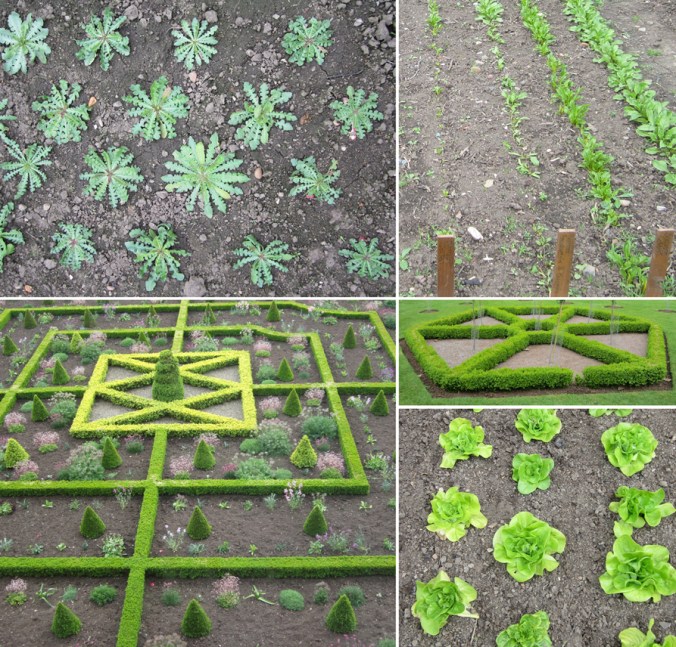
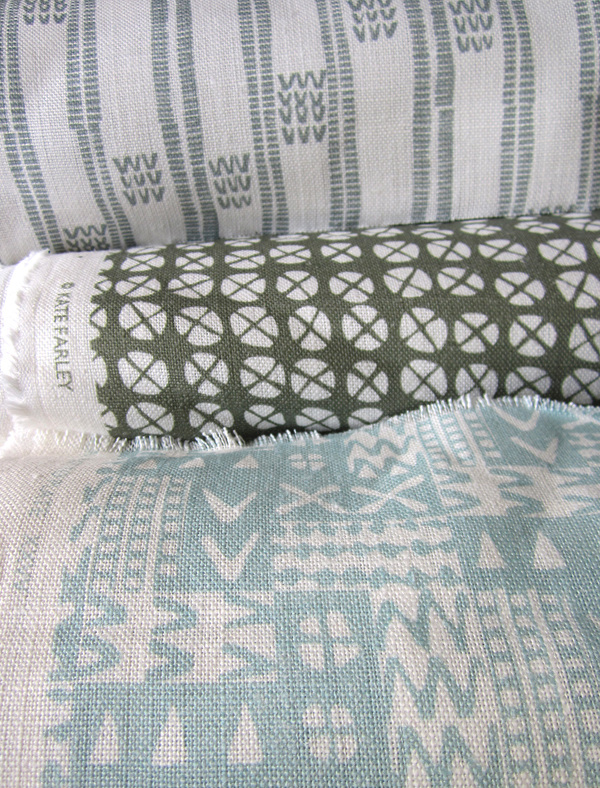
Stripes, spot repeats, all-overs and multi-directionals, geometric grids and diamonds, checks and plaids are all to see. And so it is, that it makes sense that I really have brought two things that I do enjoy together in my creative practice. It’s too early to share artwork for my new ‘Hanbury’ designs but I will share some garden pattern from Hanbury, and my ‘new’ fabrics by the metre, available very soon, in anticipation…

garden_textiles_hanbury_web  fabricrolls1_web

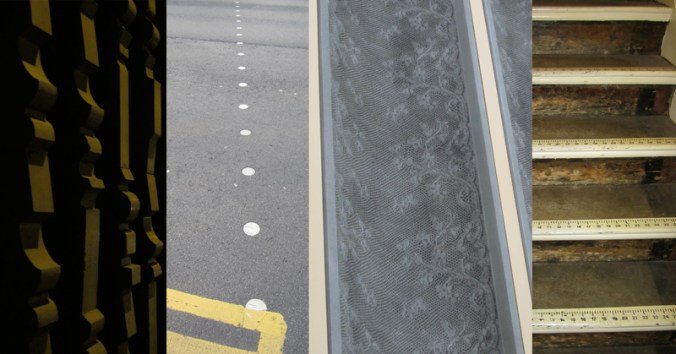
noticing Nottingham

Having had such a great ‘destination’ review from Cara of Patternbooth blog fame via Helen’s blog DesignHunter we chose Nottingham for a last minute weekend get-a-way. I had last visited the city as a student in about 1997 and this time we set off looking for a completely different experience from the cider-drinking ‘DM boot wearing’ art student of yesteryear.

We visited lots of independent cafes and restaurants, watched a great art-film in the Lounge at the Broadway Cinema, shopped in vintage shops & design shops and yes, we did find time to sup ale at Ye Olde Trip to Jerusalem. It is a city with a great variety of interesting buildings embracing a myriad of architectural styles; almost a timeline of the design history lectures I give to my Textile Design students. The lace trade is still visible in many ways, and contemporised on the exterior surface on Nottingham Contemporary.

We had a thoroughly great time and returned home with rounder tummies and fuller bags than when we left Brum on Friday night! Thanks Cara, Helen and Nottingham!

images L-R: exterior facade of a car park, dots on a crossing, Nottingham Contemporary exterior, stair detail from the Paul Smith shop

NG_stripe_web

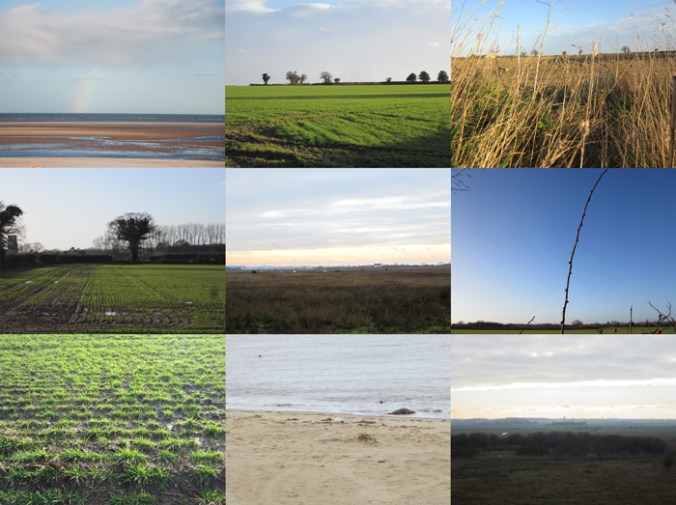
Norfolk lines

I’m naturally biased when it comes to the Norfolk landscape but seeing as it has shaped my aesthetic, colour preferences and my approach to drawing I am happy to consider it to be inspirational. I don’t spend enough of my time in Norfolk these days but every time I visit I take deep breaths, and big eye-fulls of the vast expanse of open landscape, the ever-changing light qualities and the endless colours of the land, sea and sky. Here’s a medley of Norfolk from this Christmas including sights of seals at Horsey Gap, a rainbow & the beach at Wells-next-the-Sea, and fields near Cawston and Alysham.

Norfolklines_web

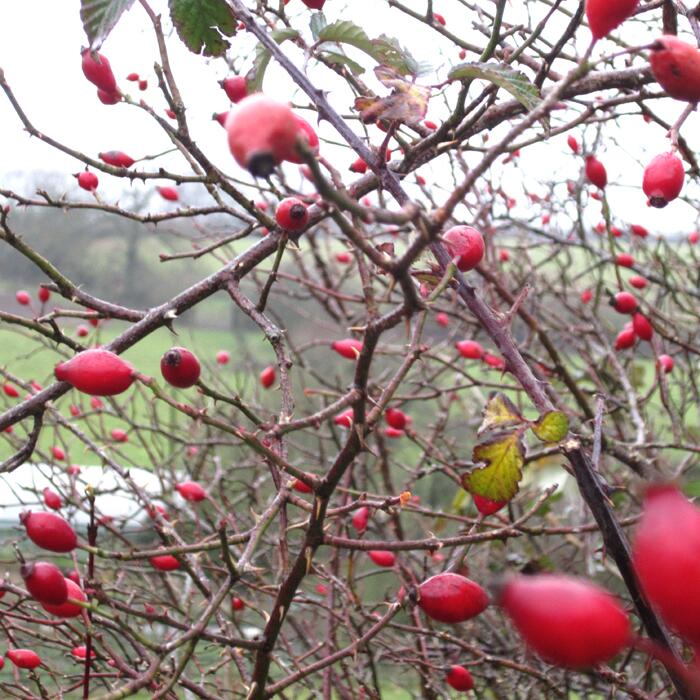
solid coated, and rather red!

It’s been rather a long time since I posted a Pantone colour as part of my Twitter project  – here’s a beautiful red.

Kate Farley@katefarleyprint

A solid and striking @pantone 186, Coated obviously – its December! Near Chesham. A damp walk cheered up by these. pic.twitter.com/SnEFnBYvJa

Embedded image permalink
For some previous Pantone colours I’ve gathered check out my Facebook page: Kate Farley Print https://www.facebook.com/photo.php?fbid=517821538247455&set=a.517820928247516.132125.503564866339789&type=1&theater

Good feelings at the allotments

Taking care of an allotment plot is never about saving money on food – and Birmingham Council have ensured it could never be, given the huge plot rent increases. Tending a plot gives so much more than the crops that you harvest. Here’s a few good reasons:

  • Growing your own food provides the gardener with opportunities and excuses to go outside and realise that what looked like a grey, cold winter day is actually rather nice.
  • Digging provides an opportunity for head space, for time to mull things over, while also focusing on the amazing tenacity of bindweed and couch grass that really ought to be put to a constructive use rather than taking up all my time!
  • Making good use of time growing food makes you wonder why other people would want to spend each weekend wandering around indoor shopping centres, missing out on the feeling of muddy fingernails despite the gardening gloves and the sight of the first strawberry beginning to blush.
  • The satisfaction felt from a harvest that provides all the food for your family meal takes a lot of beating
  • and in addition to all this, I can thank the plot for the inspiration in my ‘Plot to Plate‘ design collection too.

Its a really good feeling when the crops are bountiful. The hard work of winter has paid off, the patience with the frosts and the protection from the birds has worked out okay and you get great stuff to eat for the commitment you give. With a fully laden bike and a handful of sweet peas to grasp on the handle bars you head home like a hunter gatherer from a previous age.

The thing is, when all goes well its an amazing feeling to be able to pass on the surplus to others who will also enjoy the success. Some years at the site we all have gluts of the same thing, other years we wonder what we did wrong when others are almost complaining about too many onions, and nothing has come of ours. It’s a great thing that there is never resentment to another successful gardener, but pleasure in their success. We share tips and ideas, timings and tools as well as the odd cast-off seedling and you’d be a fool to pass on the offer of parsnip seeds from Tony!

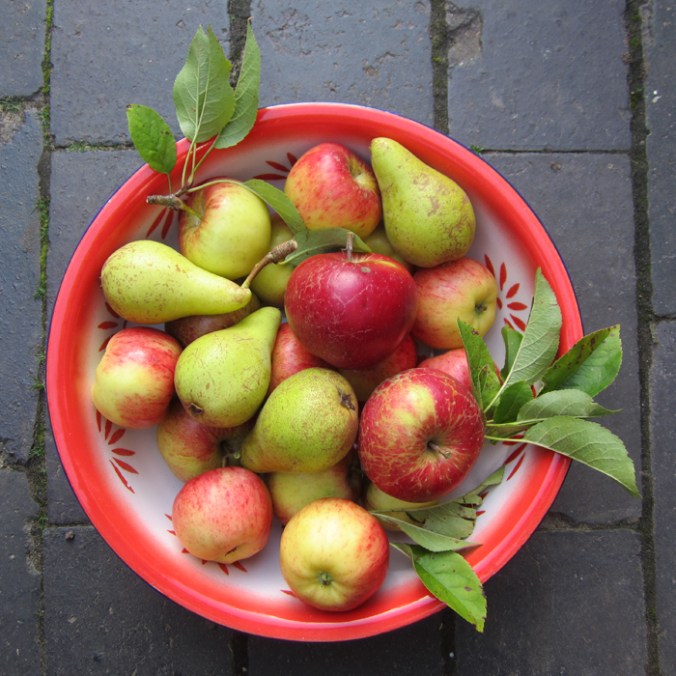
When a fellow plot-holder offered me her excess apples and pears today I politely declined at first, thinking that she would find something else to turn them in to, another apple tart, another crumble – really! too many apples? We have had a poor year in that regard. But there is a great sense of pleasure in offering ‘help’ in accepting the produce. We really are the winners in this hand-me down act, but it also feels as if we are doing a great favour in accepting the gift of free, home-grown food, enabling the grower to experience their own sense of generosity, good-spirit and community mindfulness, and saving them the feeling of not letting down the very fruit that served them so well this year – not bad for a bag of apples and pears – thanks!

applespearsbowl_web


Design inspirations 2: the natural world

Second in the series of ‘Design Inspirations’ blog entries…

The natural world has long been an inspiration for textile designers. Many years on from William Morris celebrating the natural world of flora and fauna as decoration for textiles we have had Laura Ashley, Marimekko and Orla Kiely, to only name three companies, who have interpreted the natural world and created stylised patterns and imagery which continue to inspire design students of today.

At times the worst thing as a lecturer of design we can hear from a student is that their project will be “about shells” and we dread the worst examples of static and bland studies which do little to explore the beauty and wonder of the natural world’s creations of form, structure, surface, pattern, colour and more, before approaching the bountiful concepts and metaphors in the ‘dot to dot’ of design processing hidden around the shell!

In my drawings I often aim to distil and to simplify a plant structure or shape of a flower in order to create motifs for prints and surface patterns, exploring perspective, diagrammatic language and relationships with place / context. I have a huge archive of drawings made on locations as well as boxes and bags of samples including plants, stones & leaves and one day they may well feature in designs. You never now what you might need! Going anywhere new, even for a holiday means that I keep my eyes open and often pockets filled as a result of finding new things.

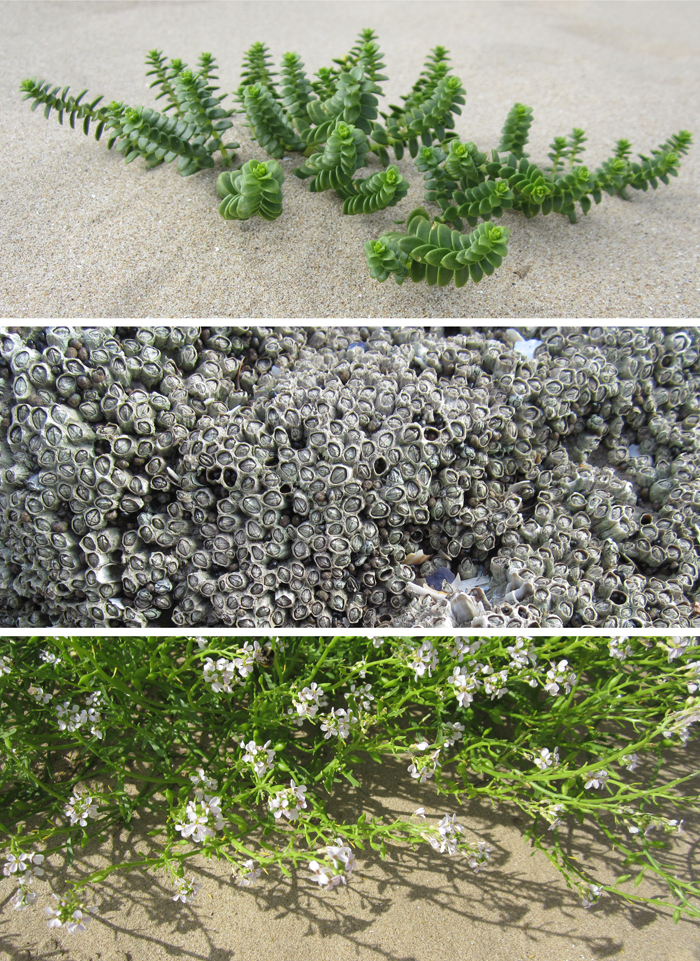
Having visited the Gower peninsula for one last summer camping trip I came across these examples of natural forms, which could and would create different visual interpretations in the hands of each creative prepared for the job. That is one reason why I like to play a part in design education; to facilitate the looking, seeing and interpreting, and it is certainly why I like to keep on collecting, and keep on drawing.


Image

Words of Walberswick, Suffolk

For some reason my first visit to Walberswick has been etched on my mind as a perfect summer holiday, long in length, filled with sunny days on the bridge crabbing, playing in the dunes, and on one day, huddling round a small, borrowed tv set to watch ‘The Royal Wedding’. This was in 1981, with memory’s thick rose-tinted spectacles on. I gather we stayed for a weekend!

Fast forward a few years and we have spent a fabulous week back in the small Suffolk, coastal village this summer, showing the next generation how to crab, and to play in the dunes, with no royal wedding to distract us.

One vivid memory I have of our 1981 visit was of the ferry, the ferryman and his dog. We were confused quite why he seemed to make heavy weather of it, not rowing straight across – which seemed sensible, but instead rowing high up stream, before steering for the jetty on the Southwold bank. It was a real delight to be back on the ferry this time, with knowledge of the tidal waters, and for the small fee of 90 pence, taken across the water. There is pleasure in this simple transaction. If there was a queue, you waited. If it was only you, and not the maximum cargo, he rowed for you. Now that is service!

Image

I doubt the signage originated from the 80s but I really liked the straight forward communications around the jetties. Around the banks of the Blyth the boats and black wooden huts featured many hand-rendered signs, some more formal than others, so I’m sharing them here, hopefully for your pleasure.

Image